01.10.2026 / On September 29, 2026, APACCCEEC and Partners Successfully Organized the Seminar “China’s Wine Market: A Guide for Exporters”
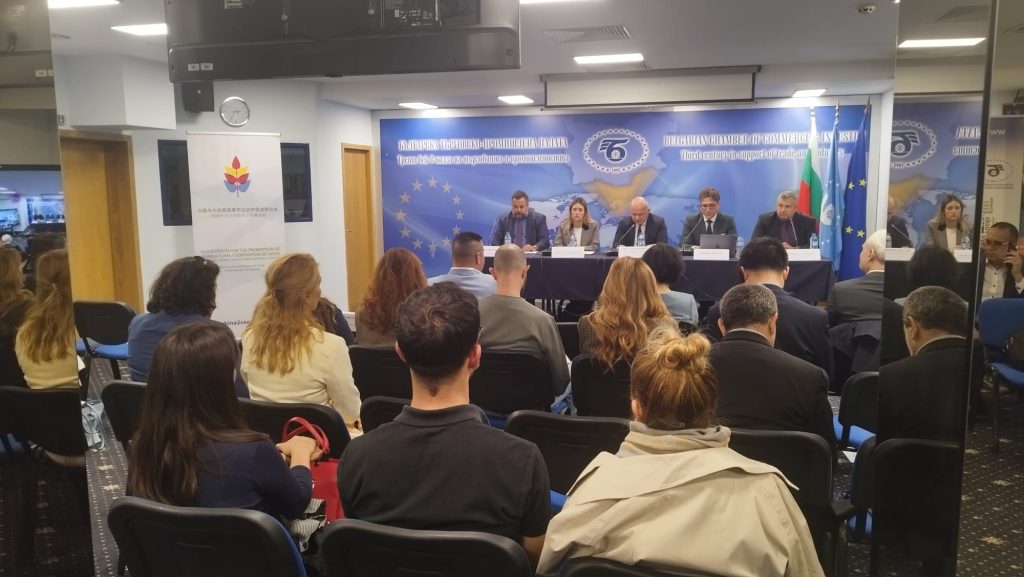
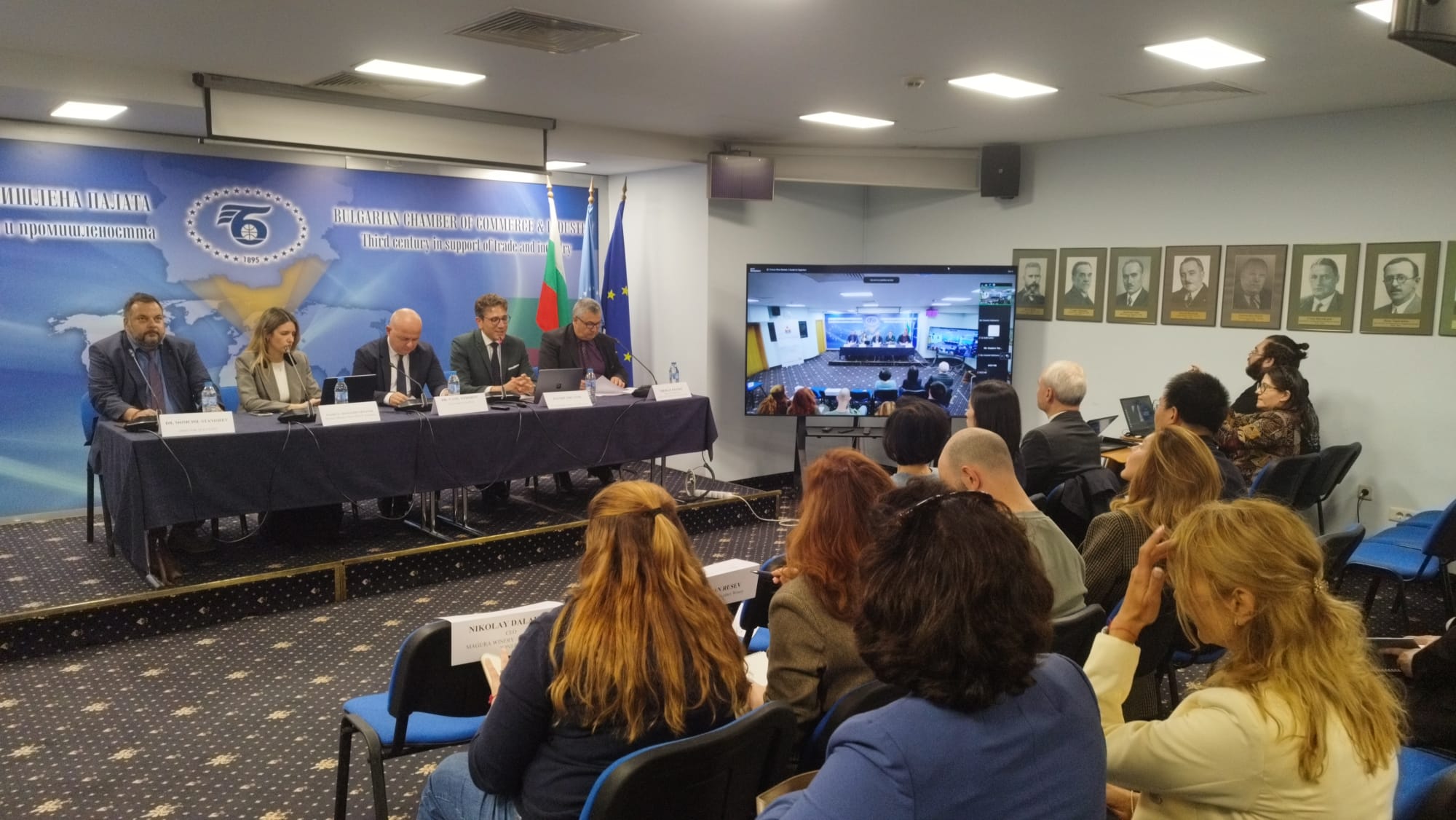
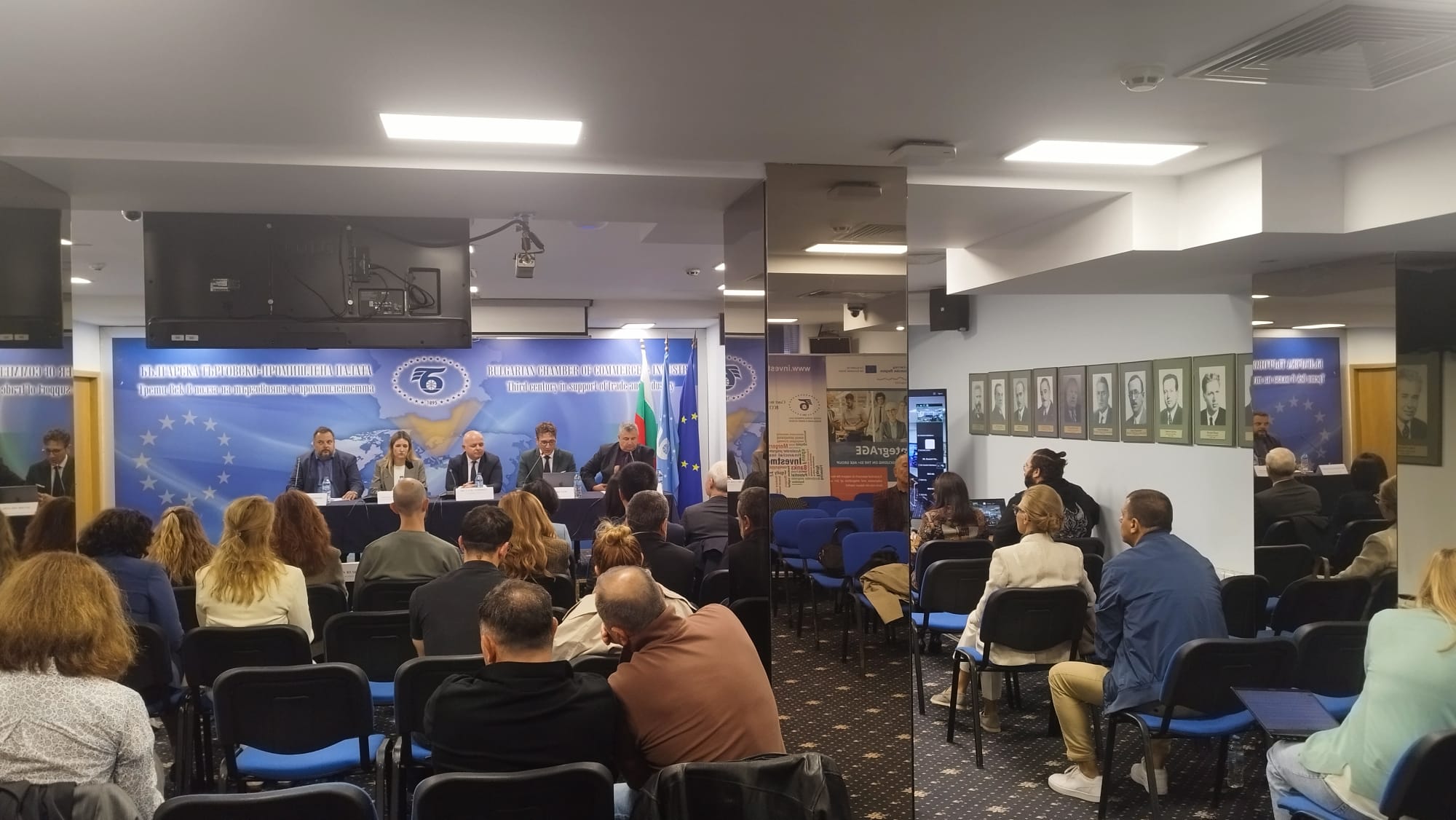
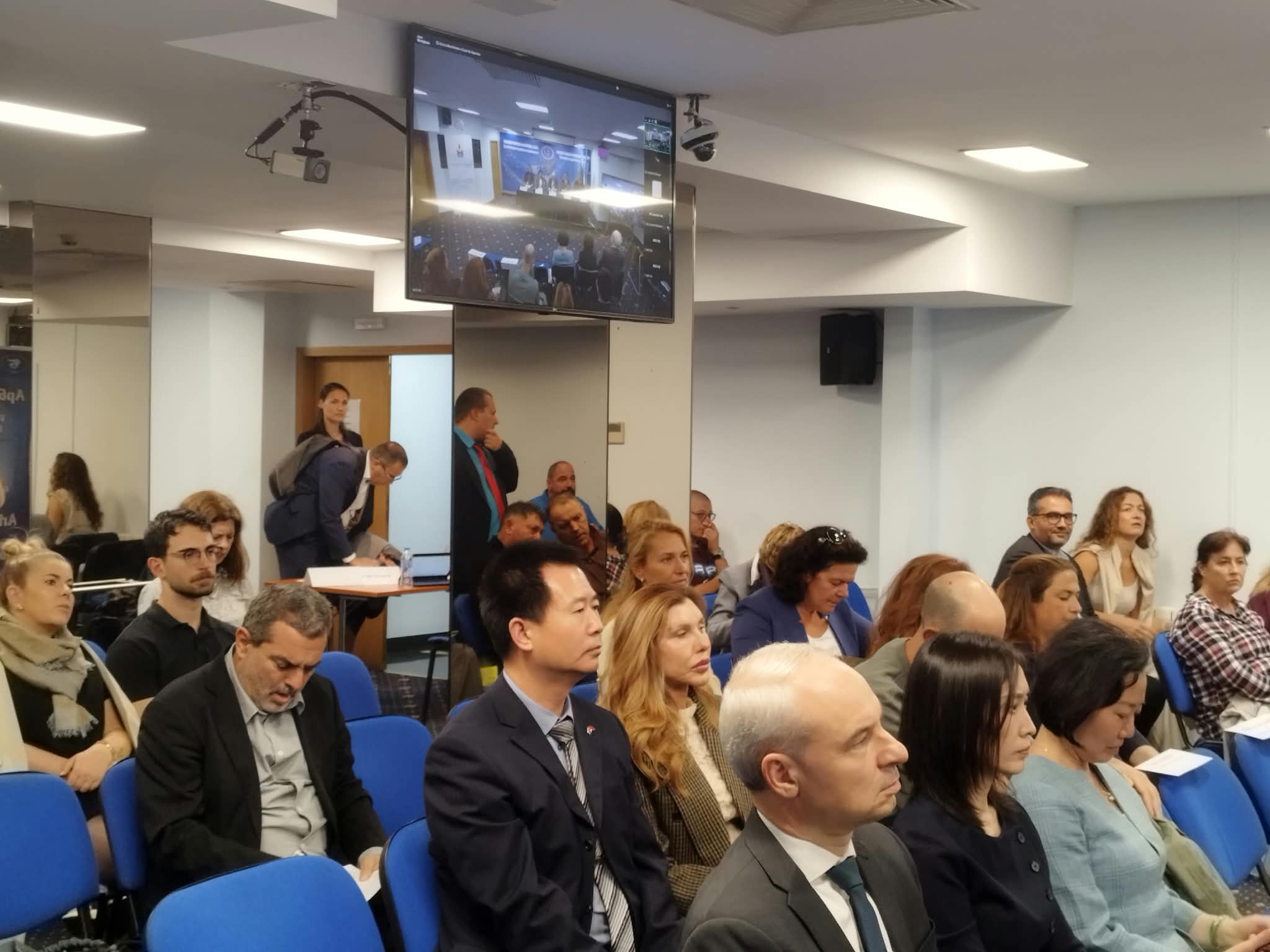
On September 29, 2026 (Tuesday), at 14.30 hrs., the seminar “China’s Wine Market: A Guide for Exporters” with an exhibition & wine tasting took place at the Bulgarian Chamber of Commerce and Industry (BCCI), Hall A, both in-person and online.
The seminar was organized jointly by the EU SME Centre, APACCCEEC and the Bulgarian Chamber of Commerce and Industry. The goal of the event was to outline the current market trends and to provide practical guidance to producers and exporters interested in exporting wine products to China. The seminar was visited by a diverse audience, including representatives of the wine production and wine distribution sector, of chambers of commerce, government bodies, diplomatic missions, the media, as well as other stakeholders interested in the topic.
The event was opened with welcome addresses by Dr. Vasil Todorov, Vice President of the Bulgarian Chamber of Commerce and Industry, Mr. Nikolay Paunov, Executive Director of the Executive Agency on Vine and Wine, Dr. Momchil Stanishev, Director of the Association for the Promotion of Agricultural Cooperation between China and the Central and Eastern European Countries (APACCCEEC), and Mr. Davide Orlandi, EU Partnerships Manager at the EU SME Centre.
The opening speeches highlighted the opportunities and challenges on the Chinese wine market. Dr. Vasil Todorov, Vice President of the Bulgarian Chamber of Commerce and Industry, emphasized the longstanding winemaking traditions in Bulgaria and the CEE region. According to him, the Chinese market holds a particular potential in view of the consumers’ interest in high-quality products. Mr. Nikolay Paunov, Executive Director of the Executive Agency on Vine and Wine, drew attention to the drop in Chinese wine consumption in recent years, as well as to the decline in Bulgarian wine exports to China as of 2025 compared to 2021. According to him, the advantages of Bulgarian wines include their origin, quality consistency, the credibility of EU controls and the local varieties. Dr. Momchil Stanishev, Director of APACCCEEC, expressed his appreciation to the partners of the current event – the EU SME Centre and the BCCI. In his speech, he highlighted that the Chinese market is increasingly selective and sophisticated. Changes are observed in consumer preferences and in product distribution channels. Dr. Stanishev stressed the importance of European wine producers achieving a better understanding of the market, identifying the right consumers, choosing the appropriate channels, and finding reliable partners in China.
During the first session of the seminar, Mr. Davide Orlandi, EU Partnerships Manager at the EU SME Centre, focused on the latest trends on the Chinese wine market and conceivable strategies for the exporters. He provided various data and analytical information about China’s wine production, consumption of wine in China, Chinese wine imports, the top countries which are sources of imported wine to China and the regional distribution of wine importers, the leading categories of imported wine, China’s wine culture, the profile of wine consumers, major routes to the consumer, as well as the steps related to entering the Chinese wine market and actually selling in China, especially from the perspective of the small and medium-sized enterprises. Wine consumption in China amounts to 4.8 mhl in 2025 according to OIV data, and for the year 2024, wine consumption per resident stands at 0.4 l for the China mainland. Mr. Orlandi further outlined the wine consumer groups in China whose profile is a realistic target for the European SME exporters – in particular, the consumer groups designated as “sophisticated” and “mainstream”. He described the drivers of wine culture in the country – for example, wine being seen as a heathier alternative than other types of alcoholic beverages and the “new drinker” categories, as well as the “brakes” – including the circumstance that wine is a status product and not a necessity.
The presentation also brought up topics relating to competition on the Chinese wine market. It was emphasized during the lecture that the top sources of imported wine in 2025 are Australia, France and Chili, with Australia taking the lead. Together, the three countries account for 82% of the value of imported wine. In 2025, China’s wine imports shrank by 11% YoY, reaching an approximate USD 1.42 bn. Data reveal that among the top European exporters of wine to China, only Germany reported growth in 2025 compared to 2024.
Mr. Orlandi also provided practical advice to the companies for a more successful entry to the Chinese wine market. It was noted that traditions and origin are advantages for European exporters, and the importance of creating an overall experience for the consumer was highlighted as well.
The full text of the presentation, along with recommendations to the exporters, can be accessed here.
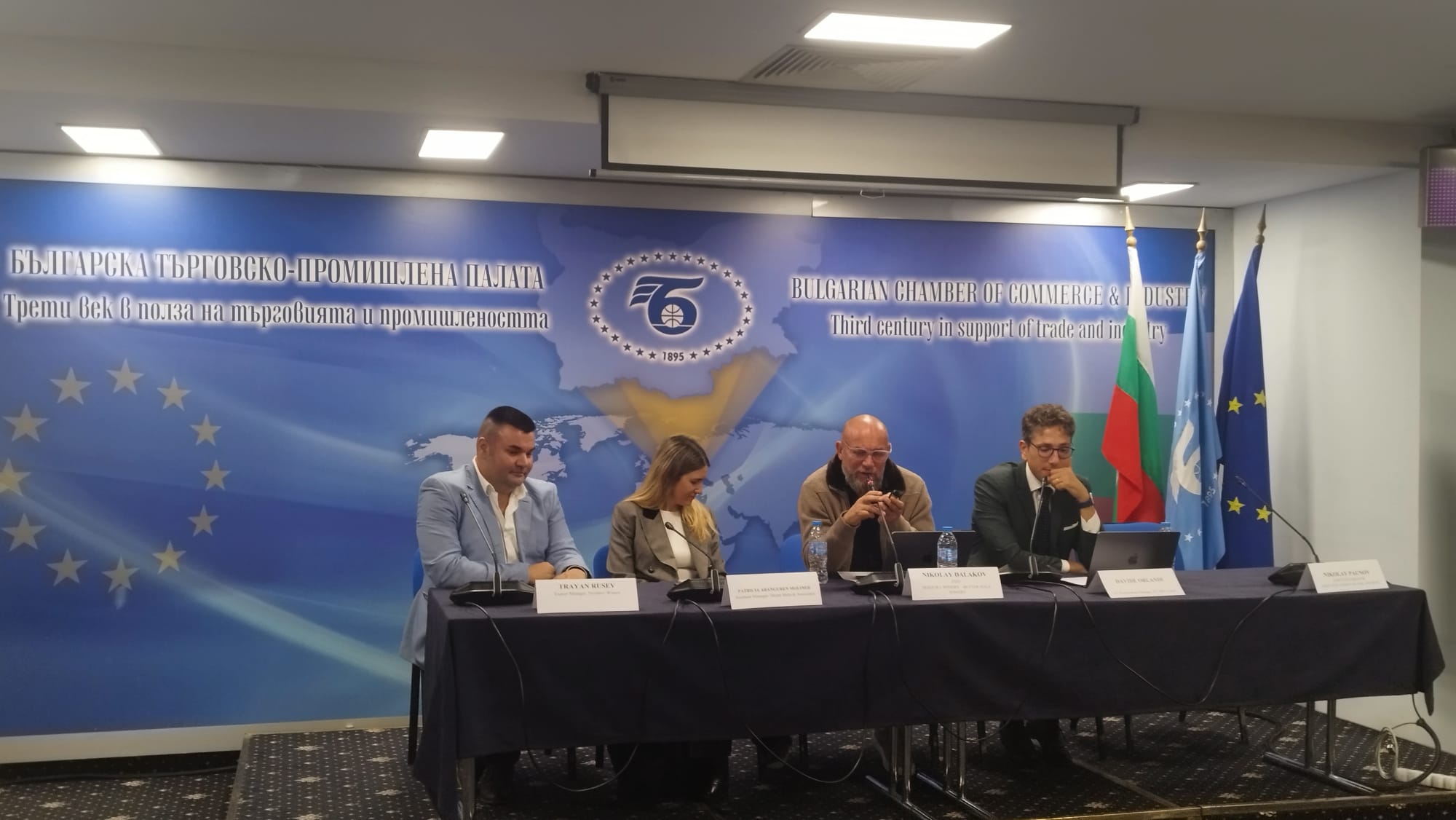
In the session “Remarks by Industry Representatives” which followed, the participants were Mr. Nikolay Dalakov, CEO of Magura Winery and owner of Better Half Winery, Mr. Trayan Rusev, Export Manager of Svishtov Winery, and Mr. Krasimir Patishanov, General Manager of Brestovitsa Winery.
In his presentation, Mr. Dalakov explained his perspective on the prospects available on the Chinese market and the opportunities for Bulgarian wine to penetrate the Chinese market as a niche product. Mr. Rusev noted the relatively low awareness of Bulgarian wine in China and emphasized the importance of explaining the quality and origins of Bulgarian wine in a manner that is understandable to Chinese consumers. Mr. Patishanov, on the other hand, shared the experience of Brestovitsa Winery on the Chinese market and underscored the importance of building relationships of trust with partners in China.
Mr. Nikolay Dalakov’s presentation is available here. Mr. Trayan Rusev’s presentation can be accessed from here.
During Session 2, dedicated to market access and requirements for imported wine, Ms. Patricia Aranguren Moliner, Assistant Manager at Dezan Shira & Associates, reviewed in detail various steps connected to entering the Chinese market, such as: finding and checking a partner in China; shipping to China; GACC registration as a wine producer; clearing customs; taxation and labeling; as well as intellectual property protection.
Ms. Aranguren outlined some major aspects of doing business in China, such as the process before a partner commits to a real volume, the importance of personal contacts and other features of the business culture. She described two ways of checking a potential partner in China and introduced important documents about the activity of the Chinese partner company, which the European exporter company is advisable to look at during the check. Ms. Patricia Aranguren referred to some major “red flags”, which the exporter is advised to look out for when negotiating with a potential Chinese partner. She stressed the legal effect of the company chop in China and mentioned changes since October 2025 concerning the legal effect of the valid electronic seal.
Three ways to enter the Chinese market were summarized during the presentation – through a distributor, an importer of record and the e-commerce route. Ms. Aranguren also highlighted the producer registration requirements via the CIFER system of the Chinese customs, and mentioned recent changes introduced as the so-called Decree No. 280 took effect. She enumerated some main elements of the process, provided practical guidance and advice and referred to reasons that could lead to a rejection of an application.
Other important aspects raised during the presentation include wine export documents, duties and taxes due when importing wine, labeling requirements in China and a forthcoming change in the rules expected in March 2027, trademark registration in China and ways to protect one’s intellectual property and brand.
The full text of the presentation can be accessed here.
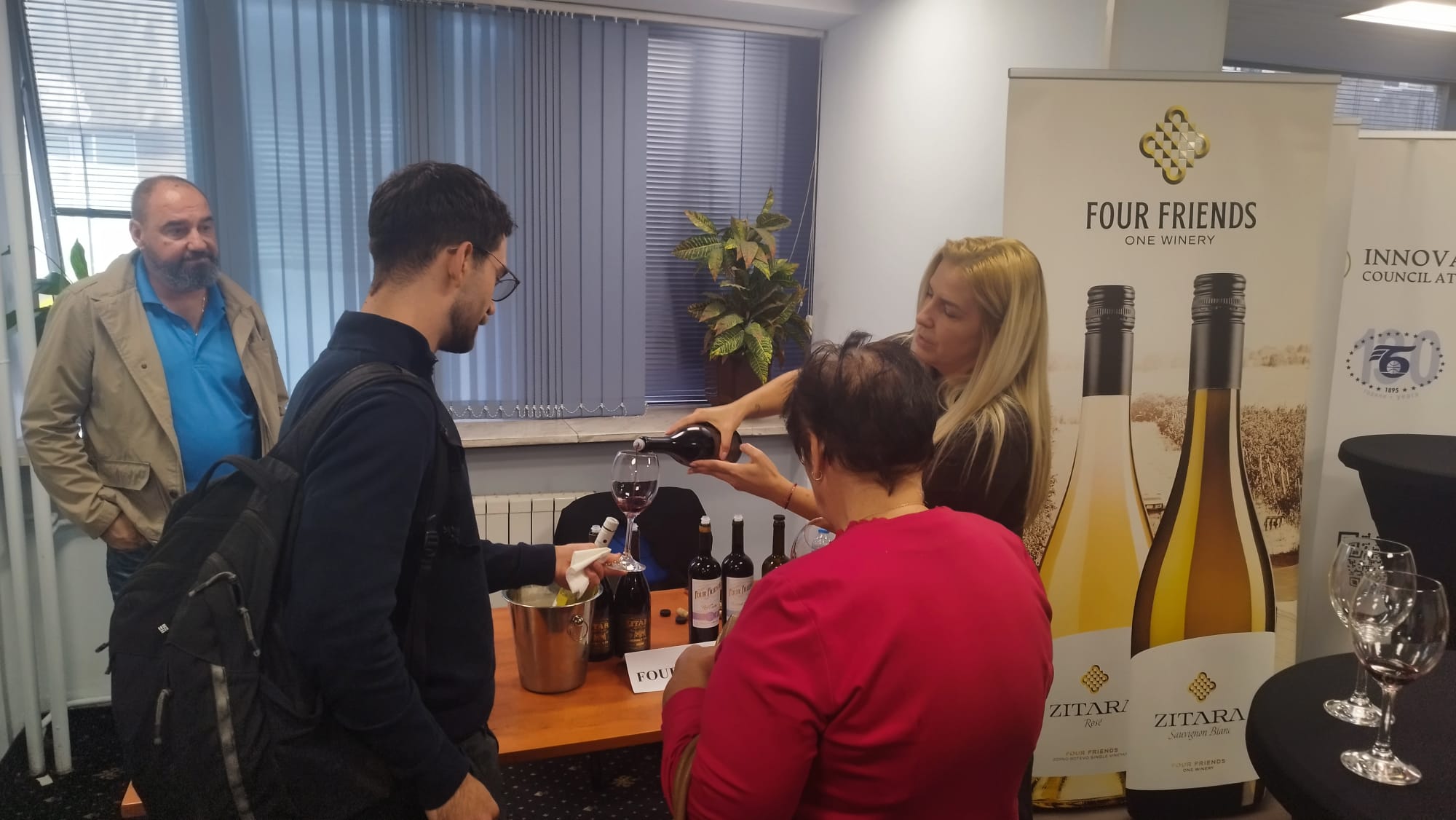
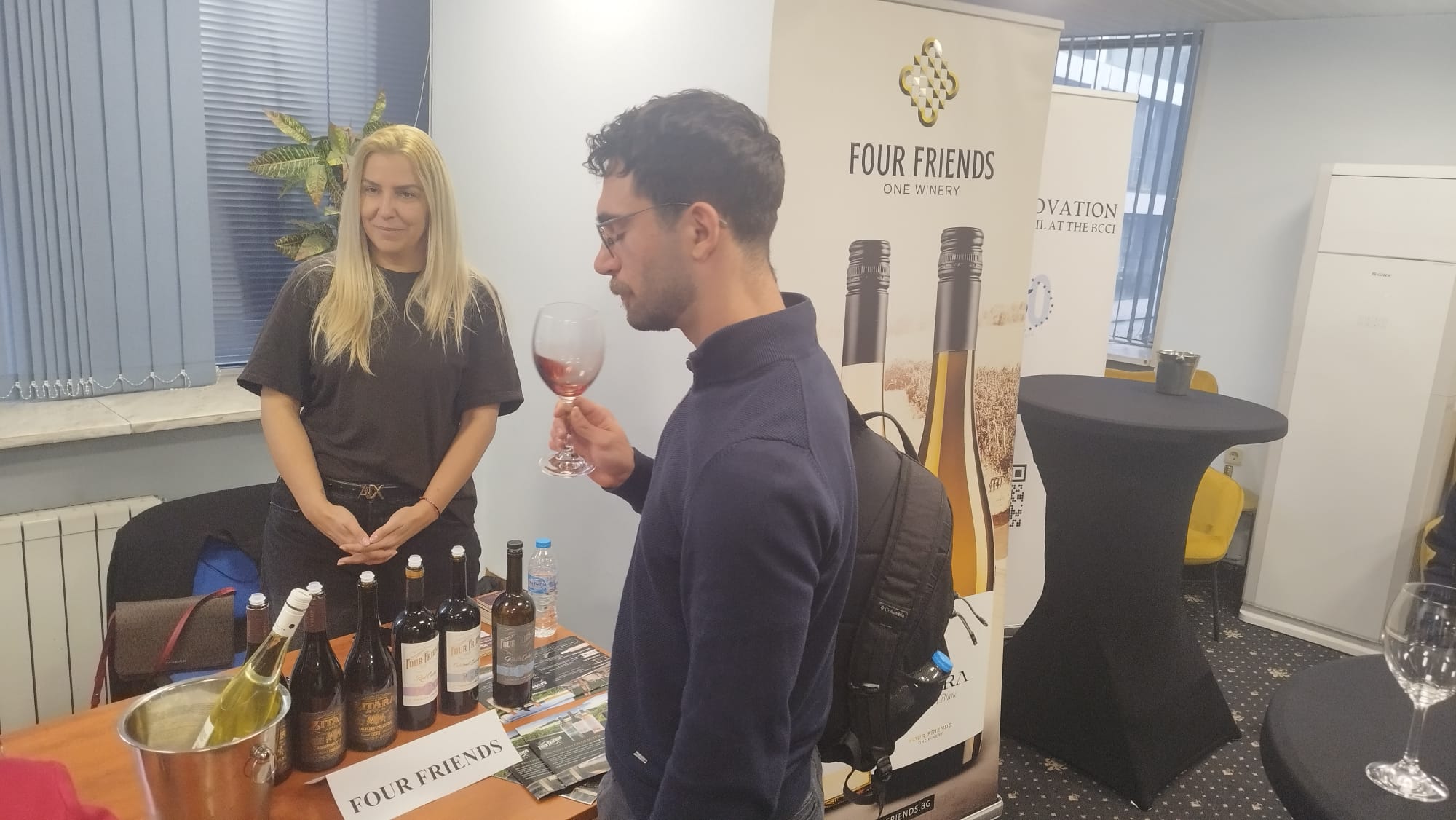
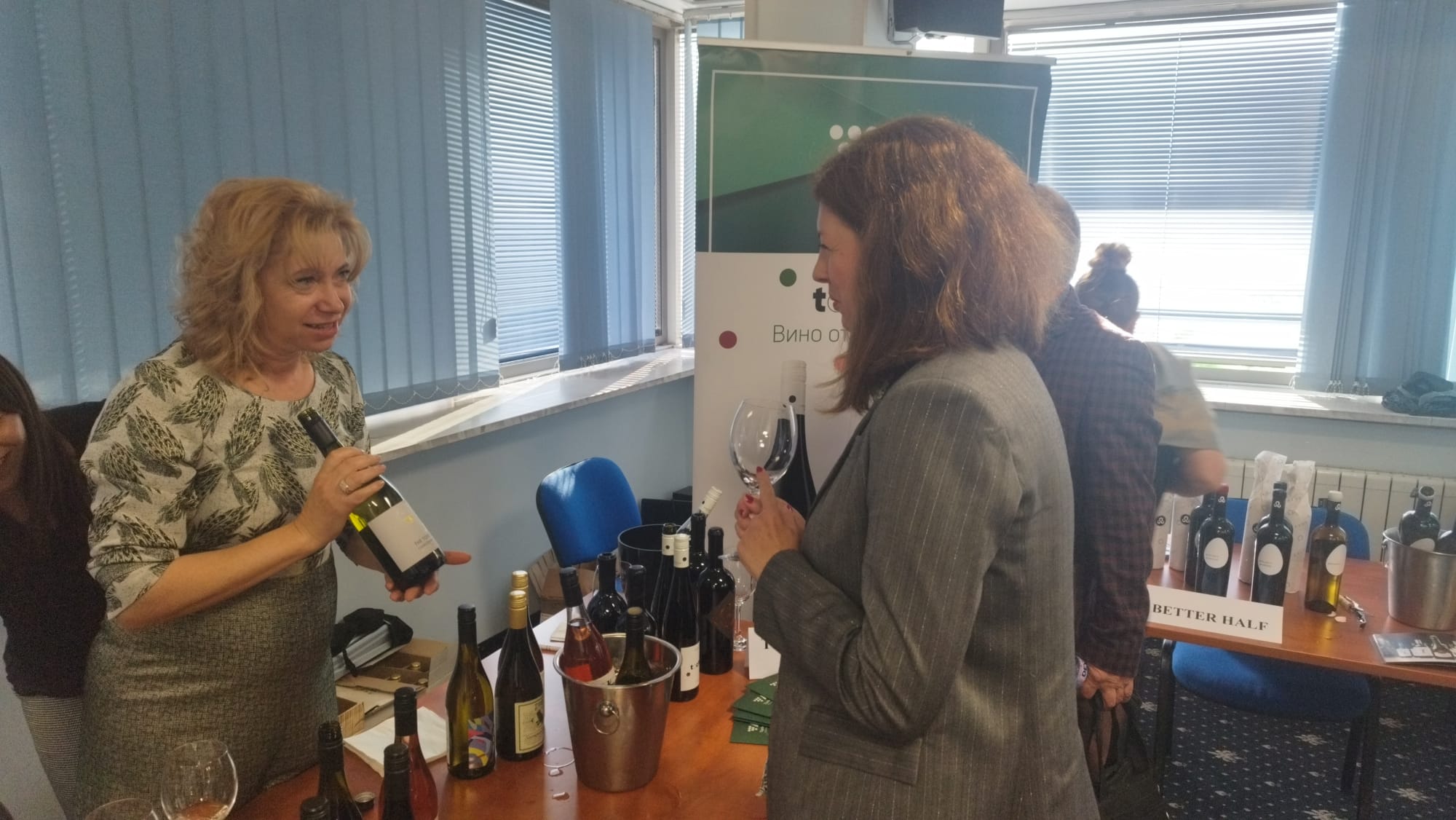
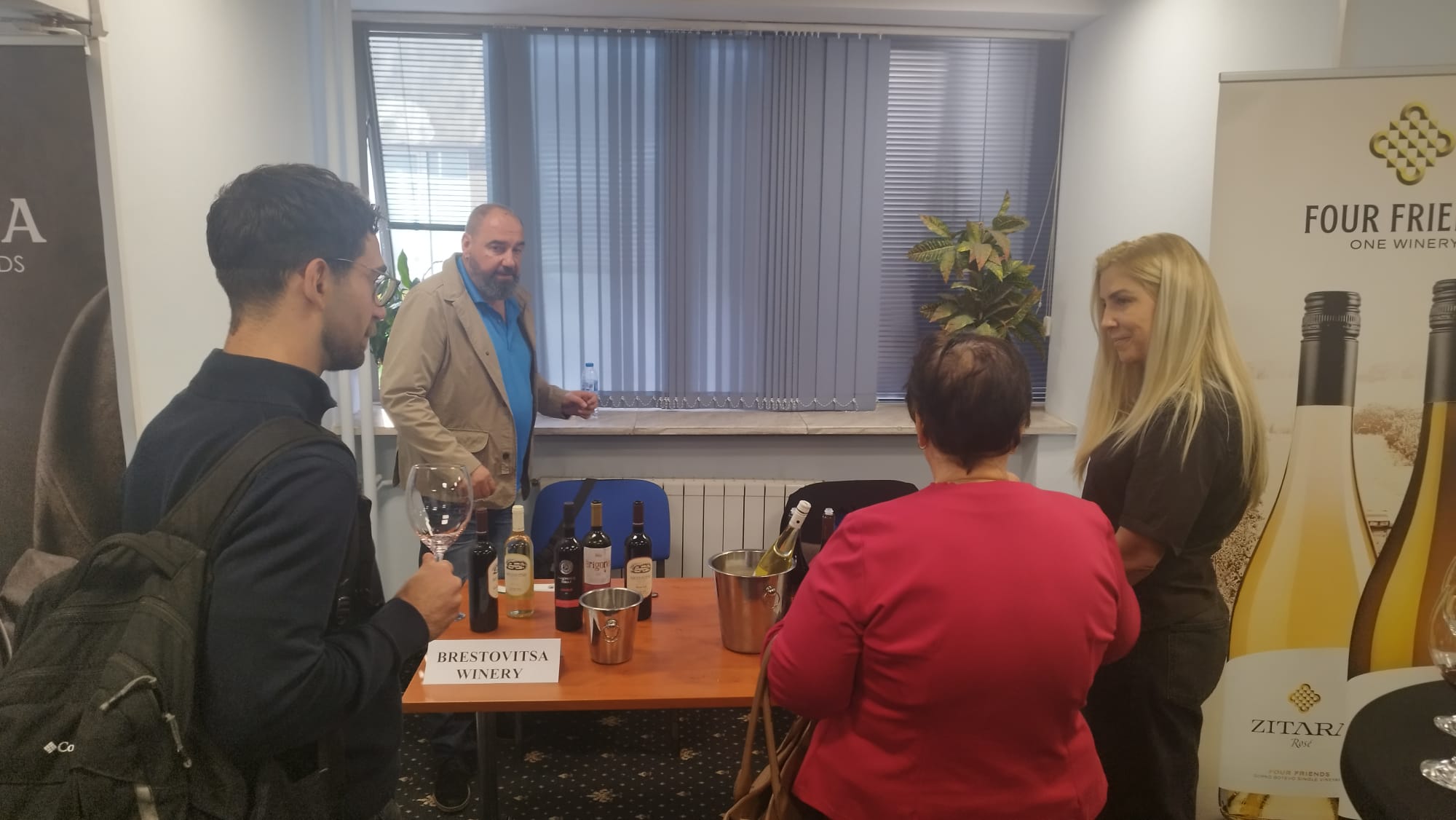
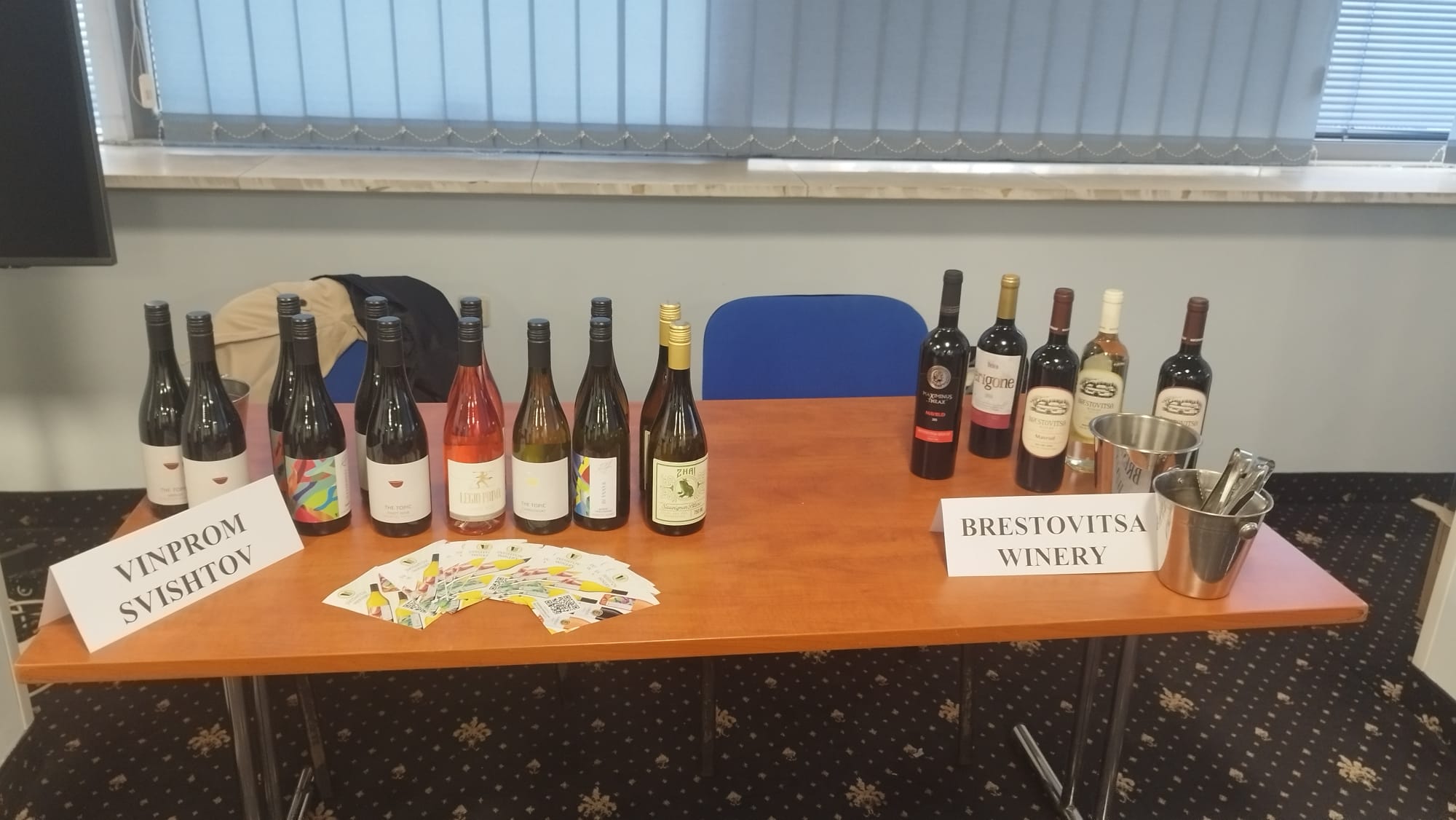
Following the seminar, a wine tasting took place at the Bulgarian Chamber of Commerce and Industry – Hall B, where the products of six Bulgarian wineries were presented.