05.11.2026 / The Smart Agriculture Seminar Kicks off with Lectures and Field Visits in Beijing
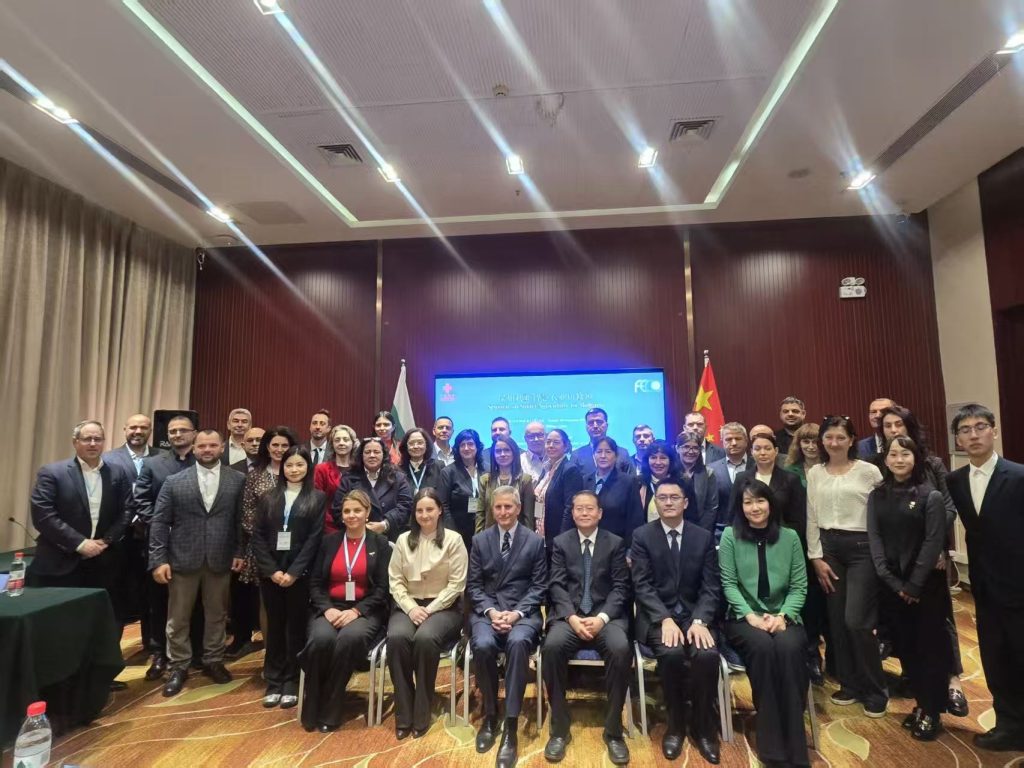
Participants in the Smart Agriculture Seminar are visiting China from October 26 to November 11, 2026.
The seminar is co-organized in the Chinese cities of Beijing and Ningbo by the Association for the Promotion of Agricultural Cooperation between the Central and Eastern European Countries and China (APACCCEEC) and the Foreign Economic Cooperation Center (FECC) under the Ministry of Agriculture and Rural Affairs of the PRC, with the support of the Embassy of the PRC in Sofia.
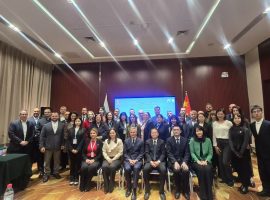
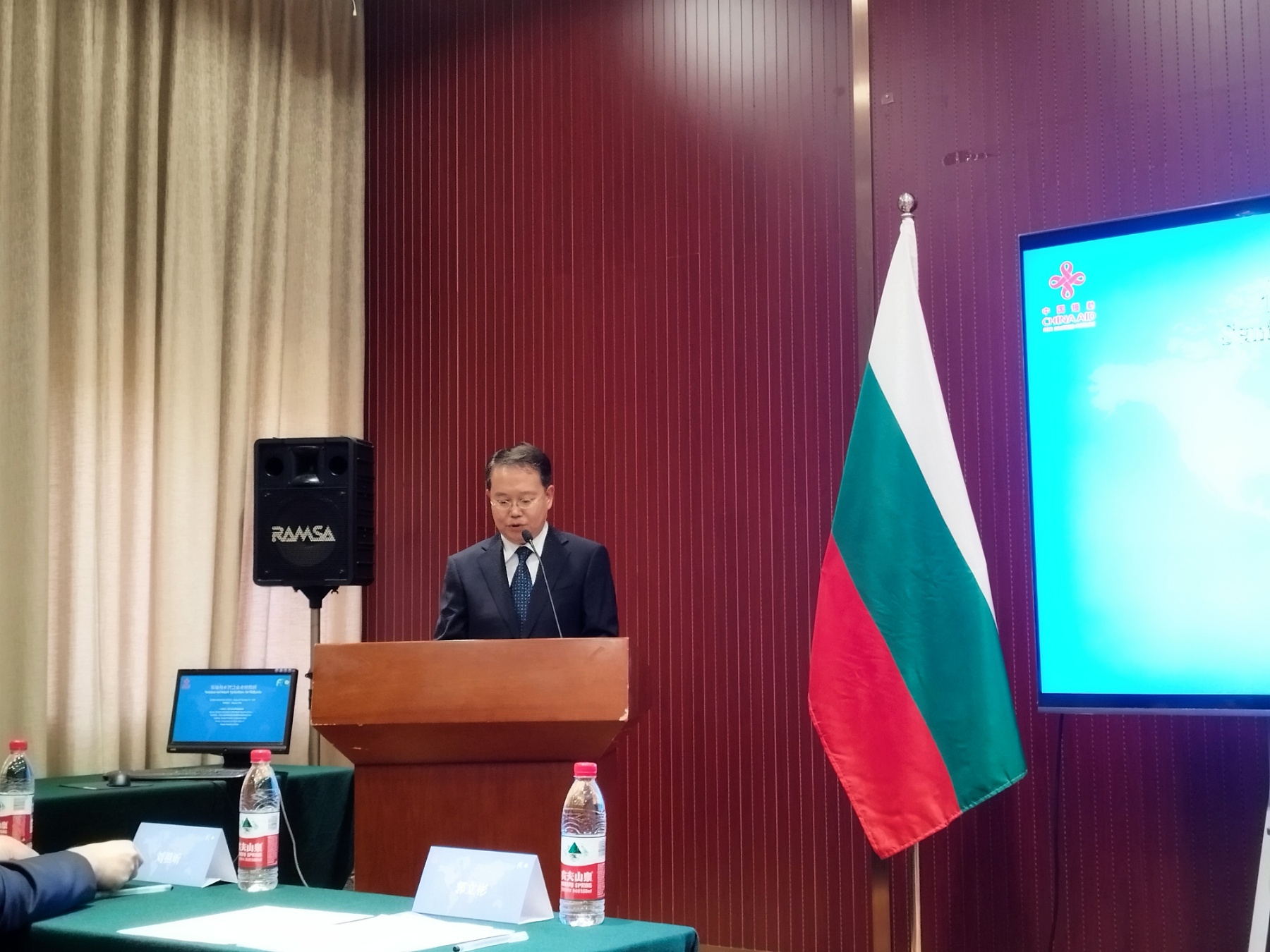
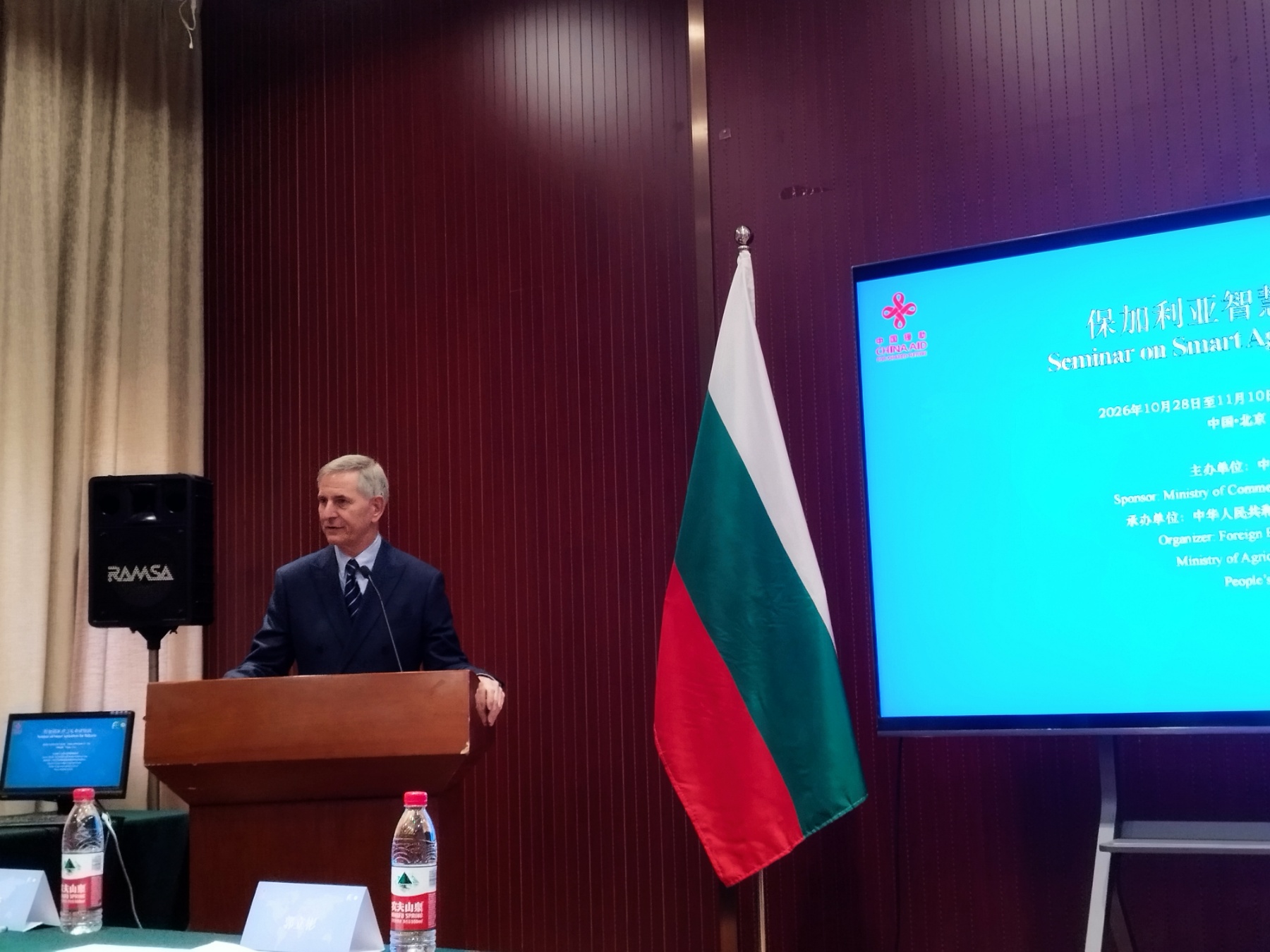
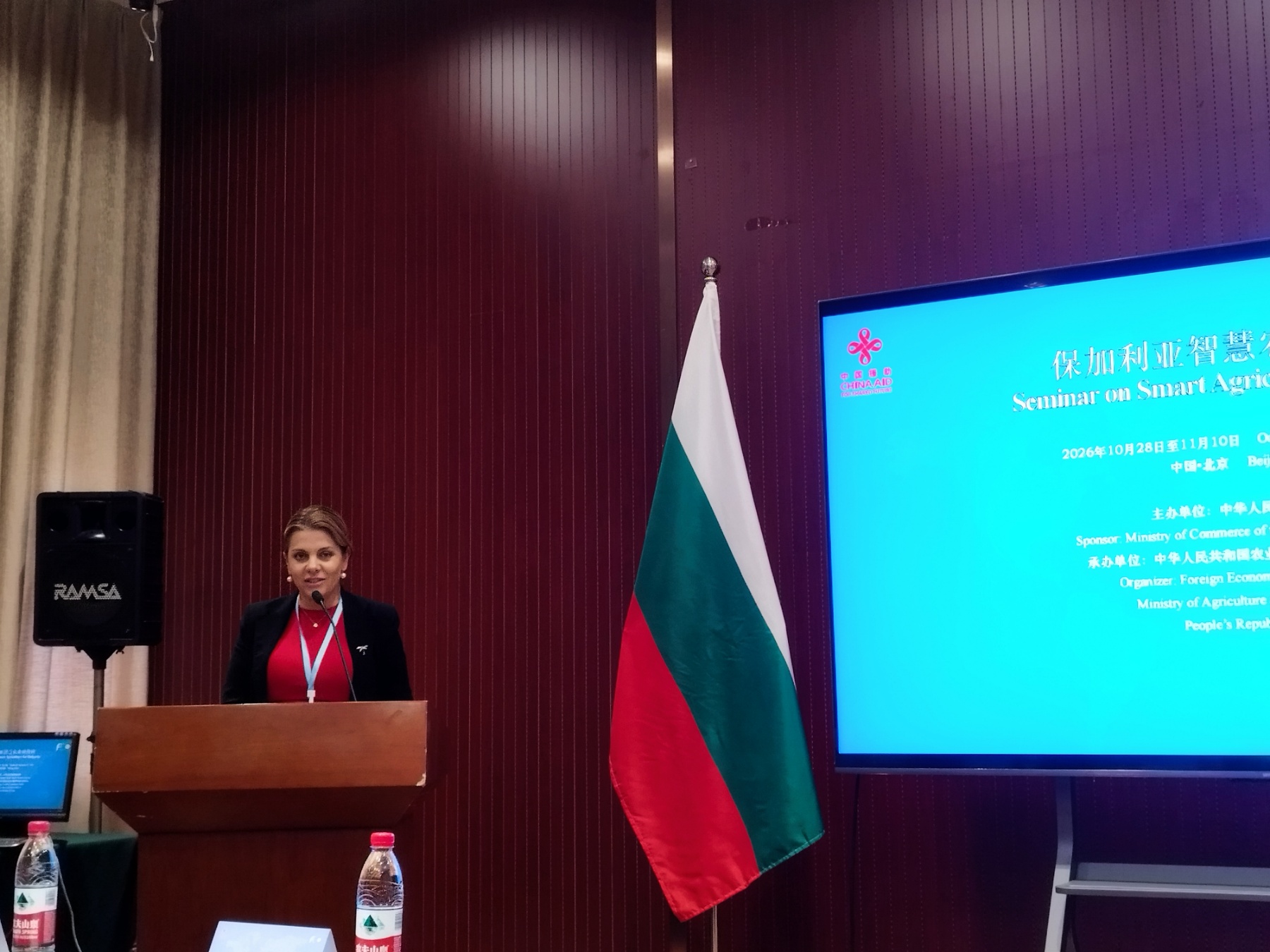
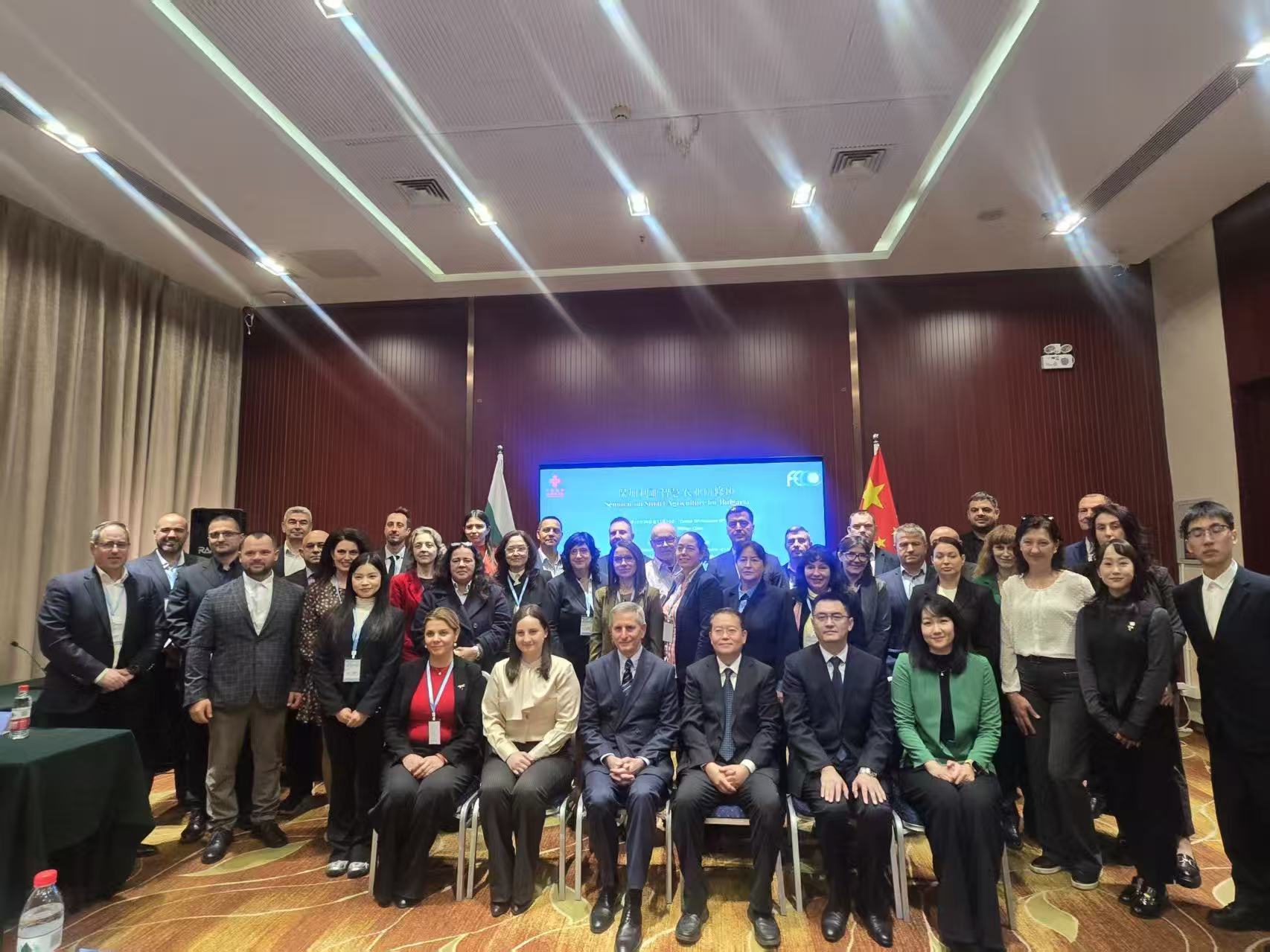
The seminar opened in Beijing on October 28, 2026, featuring welcome addresses from Mr. Guo Libin, Deputy Director General of the FECC, Ministry of Agriculture and Rural Affairs of the PRC; H.E. Mr. Andrey Tehov, Ambassador Extraordinary and Plenipotentiary of the Republic of Bulgaria to the PRC; and Ms. Madlen Zhekova, Executive Director of the Agricultural Market Information System (SAPI Ltd.) and a participant in the seminar. The opening ceremony was moderated by Ms. Guo Xin, Deputy Division Director of European-Central Asian Affairs at the FECC, Ministry of Agriculture and Rural Affairs of the PRC.
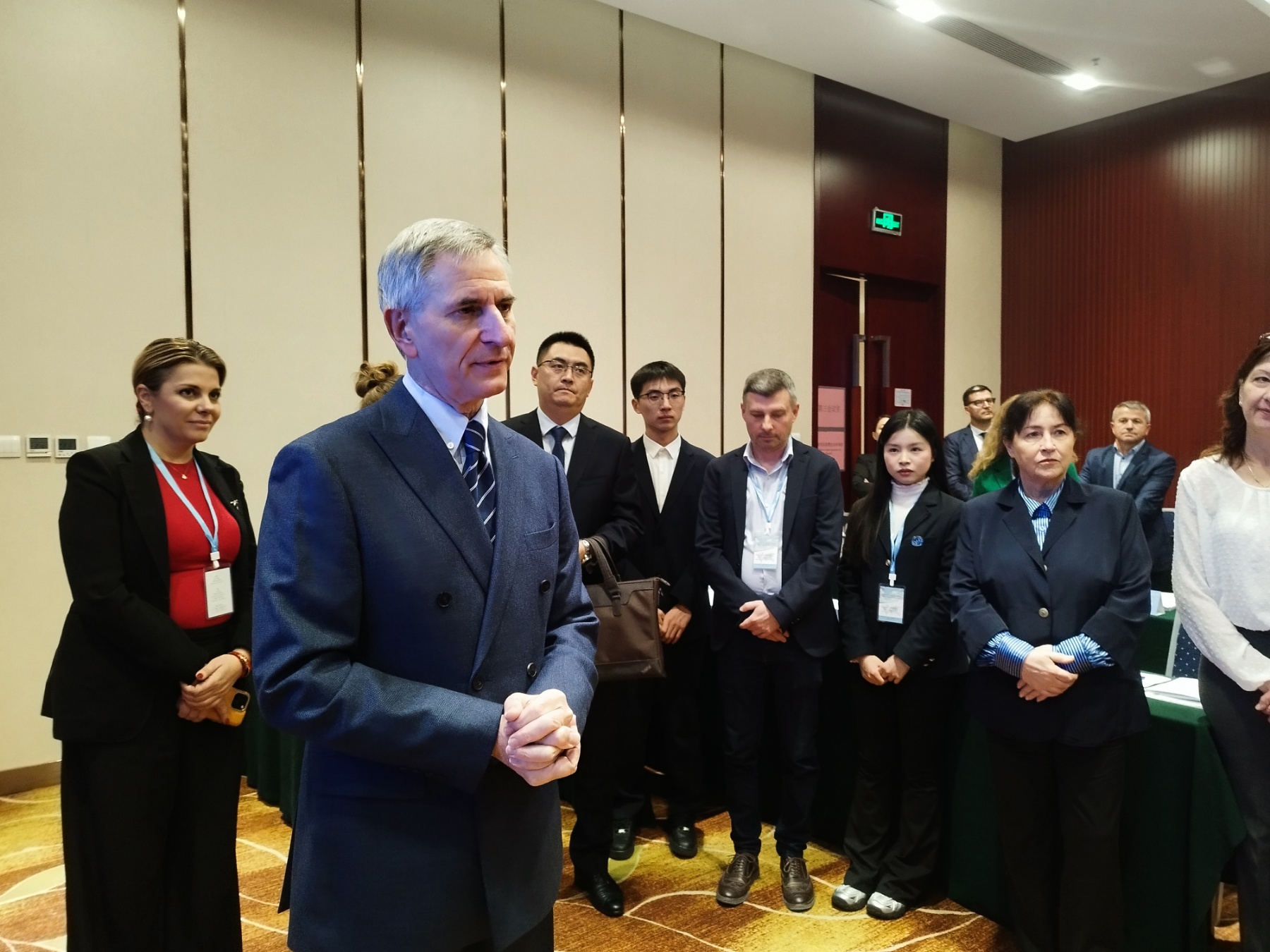
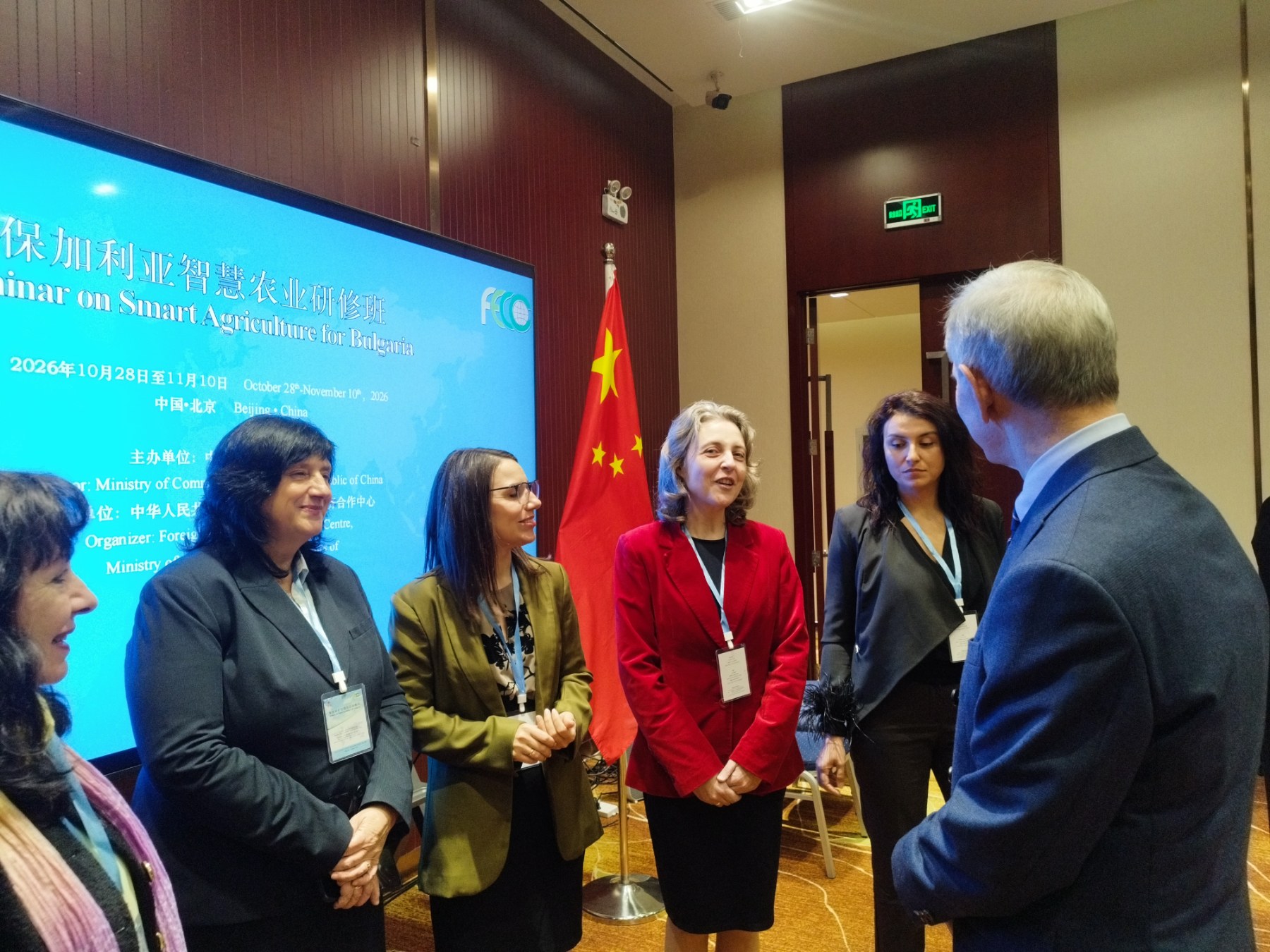
Following the welcome addresses, the seminar participants had the opportunity to engage in a discussion with the Bulgarian Ambassador to Beijing, H.E. Mr. Andrey Tehov.
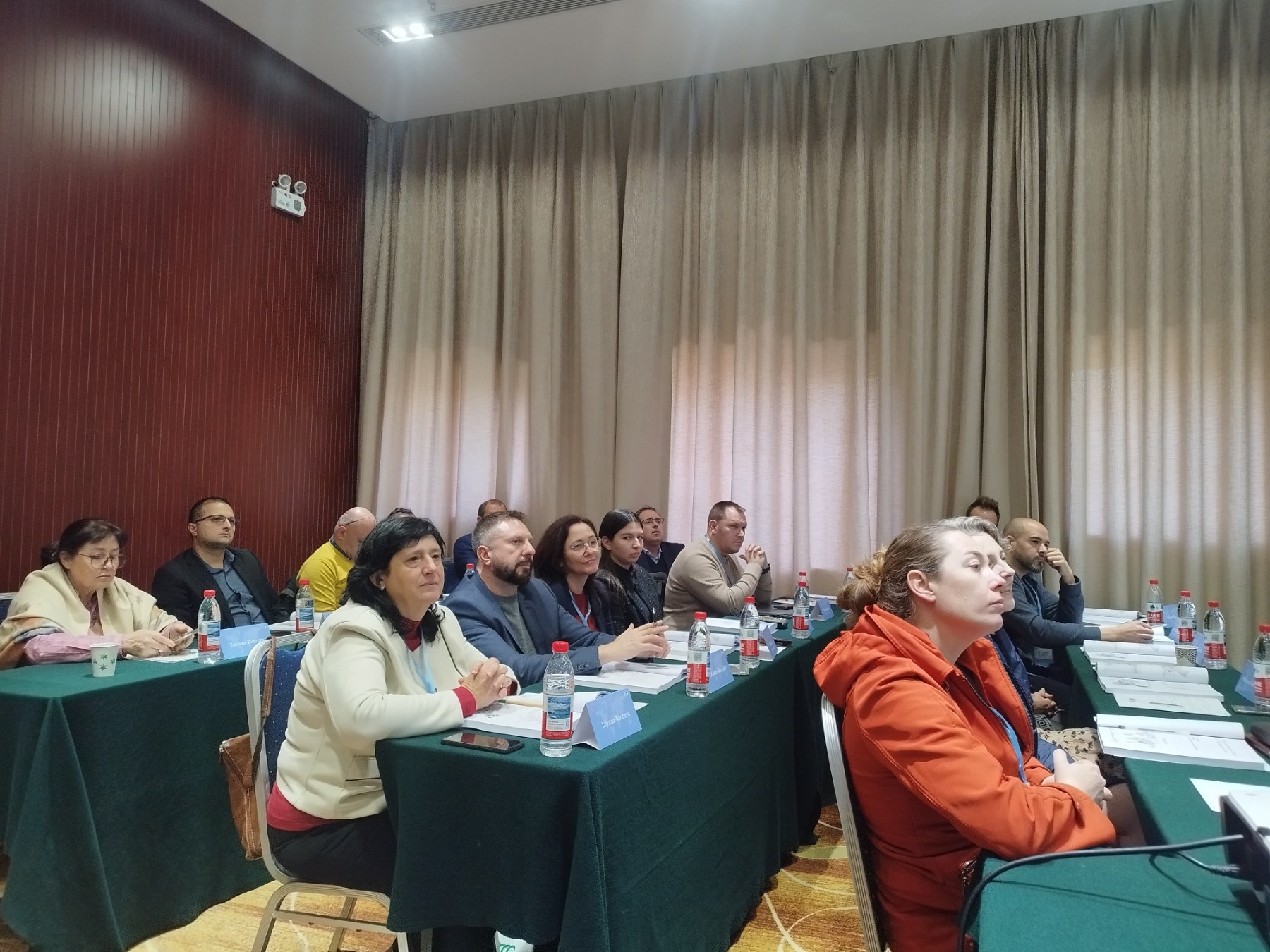
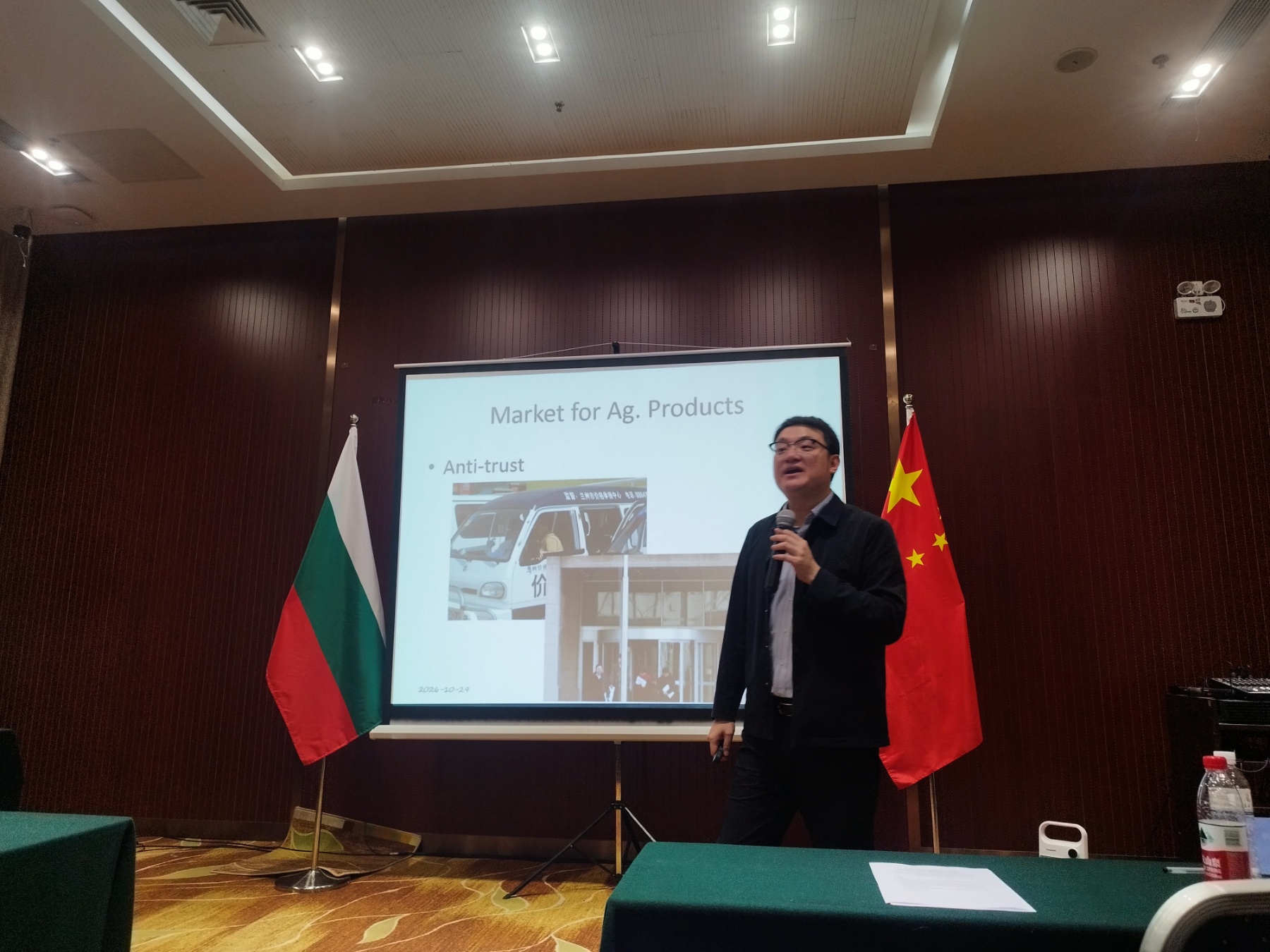
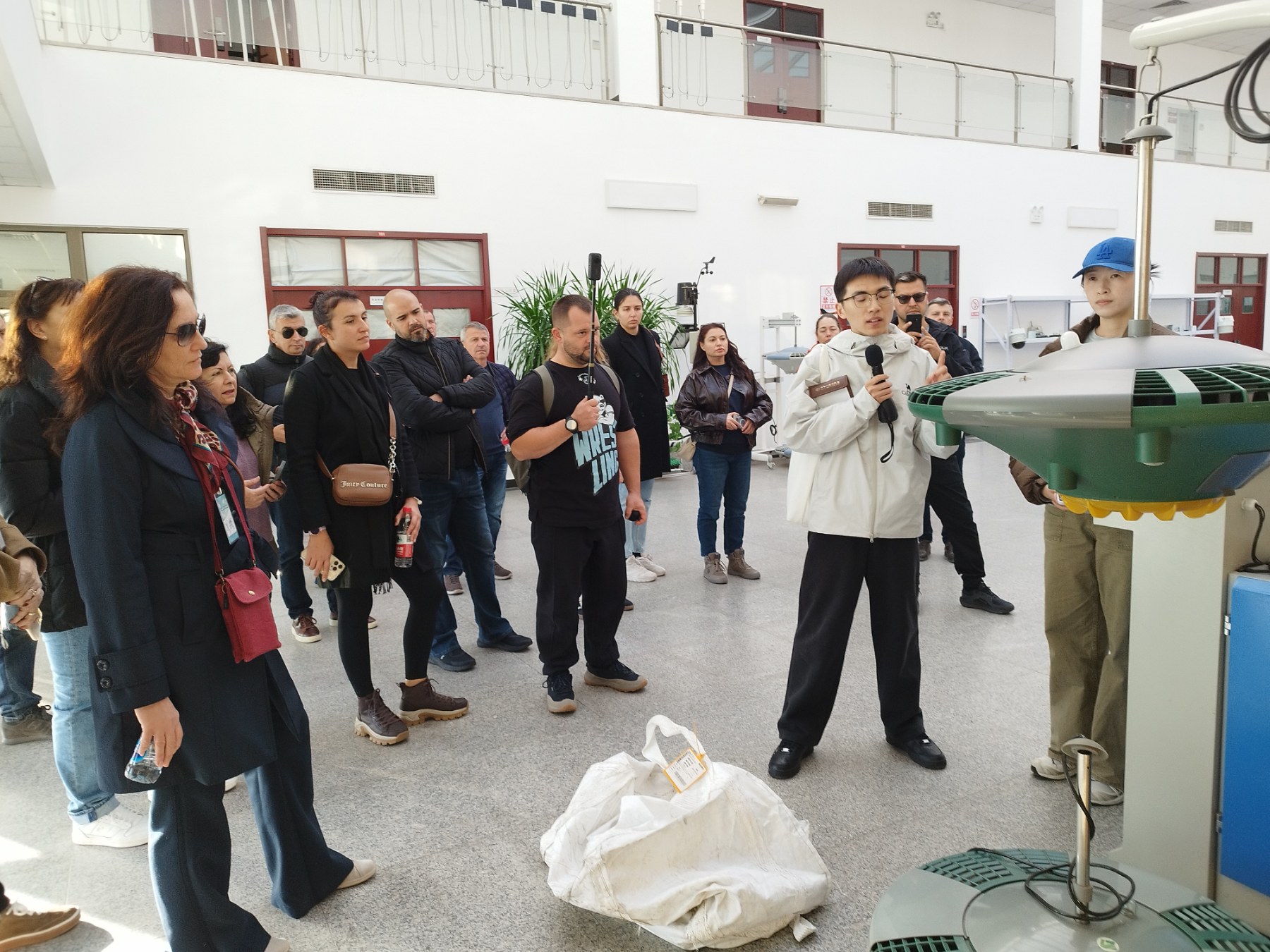
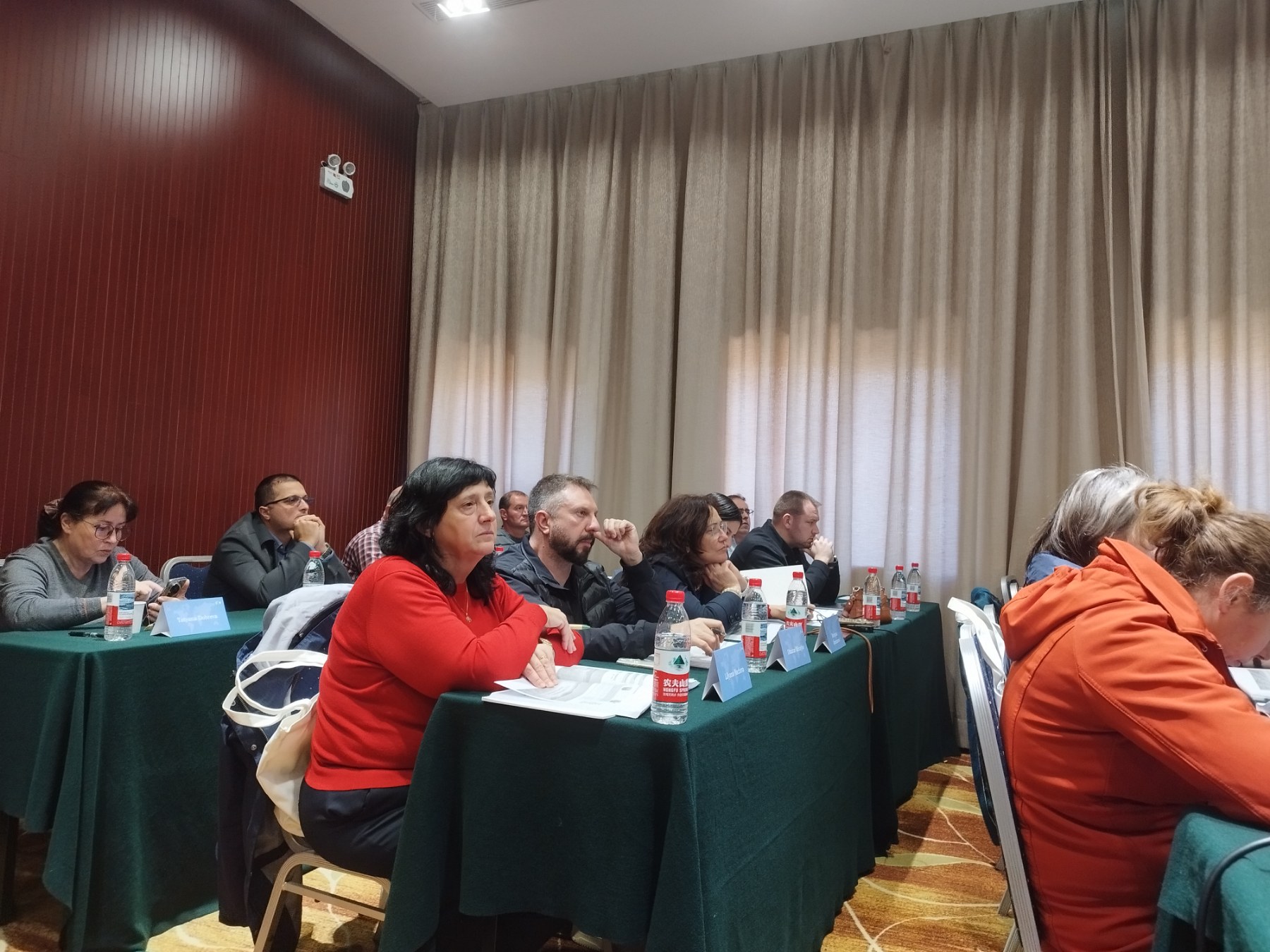
In Beijing, the participants attended lectures focused on China’s agricultural sector.
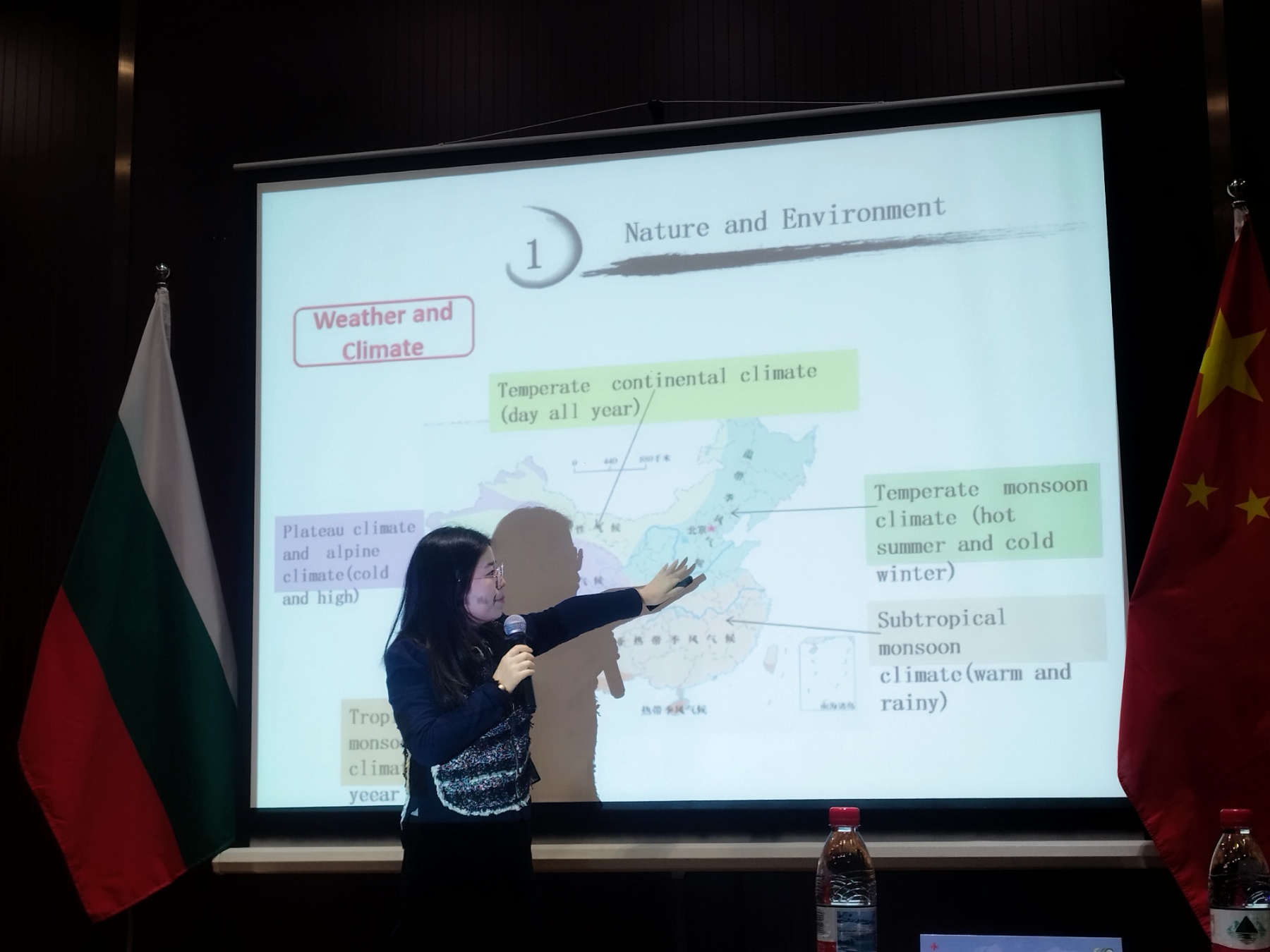
Dr. Song Yuhe, Deputy Division Director and Associate Professor at FECC, Ministry of Agriculture and Rural Affairs, provided an overview of China covering various aspects, such as the economy, politics, history, population, natural features, and culture. Through the lecture, it was clarified that the agricultural sector contributes approximately 7% to the country’s GDP and accounts for about 20% of employment.
A lecture on policies and experience of rural revitalization of China was delivered by Dr. Ming Gao, a professor at the Research Center for Rural Economy, Ministry of Agriculture and Rural Affairs of the PRC. He noted that while China is home to nearly 22% of world population, it possesses only about 7% of the world’s cultivated land. Dr. Gao outlined the evolution of agricultural production in the world’s second-largest economy, as well as main crops cultivated. He described the period following 2004 as the ‘golden age’ of agriculture in China and discussed factors such as the agricultural labor force, subsidies for the sector, and policies aimed at ensuring more stable income for farmers.
The speaker also addressed contemporary challenges facing Chinese agriculture. He drew attention to the small size of agricultural holdings, labor shortages, and the fact that consumers are increasingly concerned about the safety and nutritional value of the food they consume.
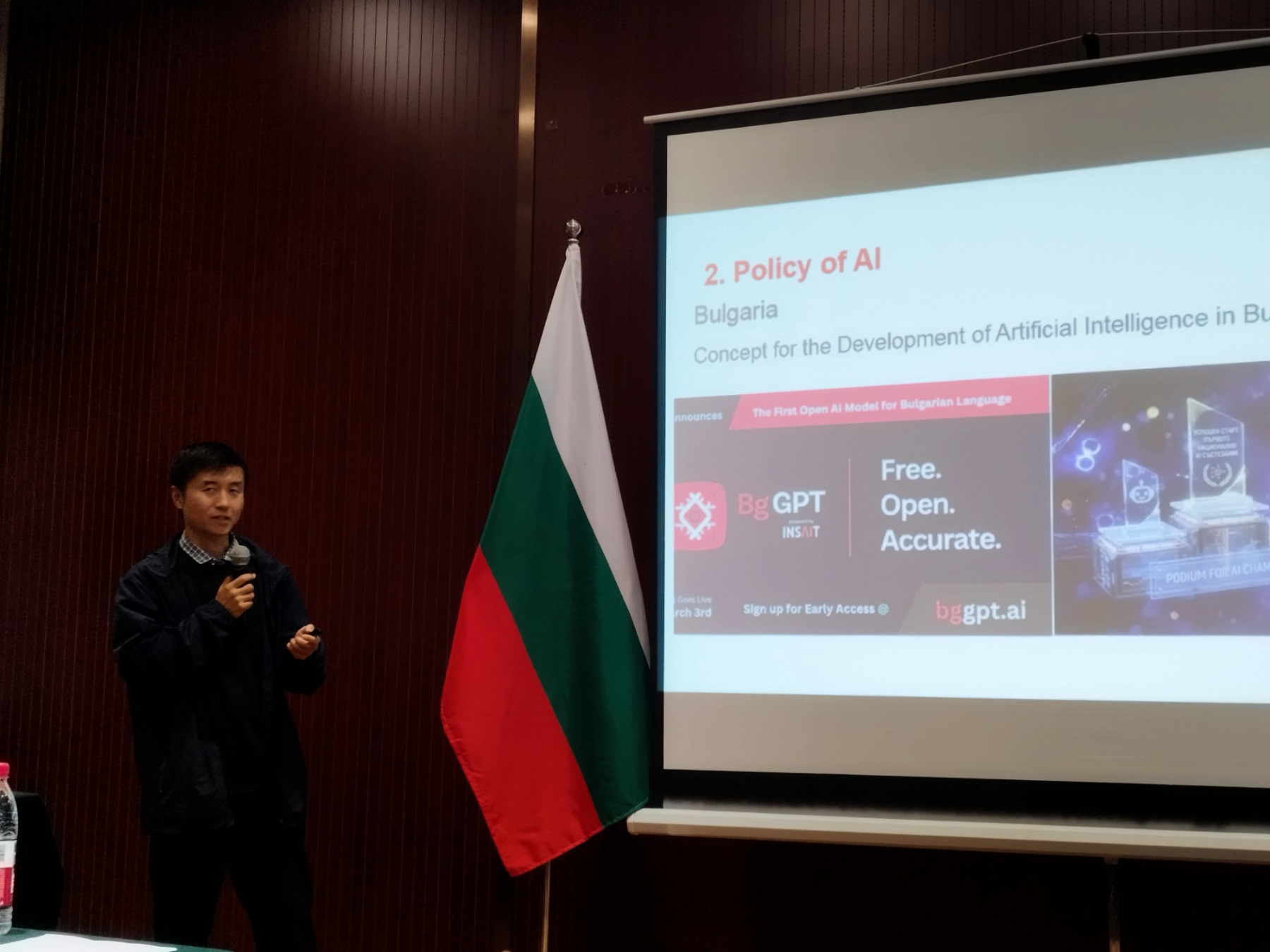
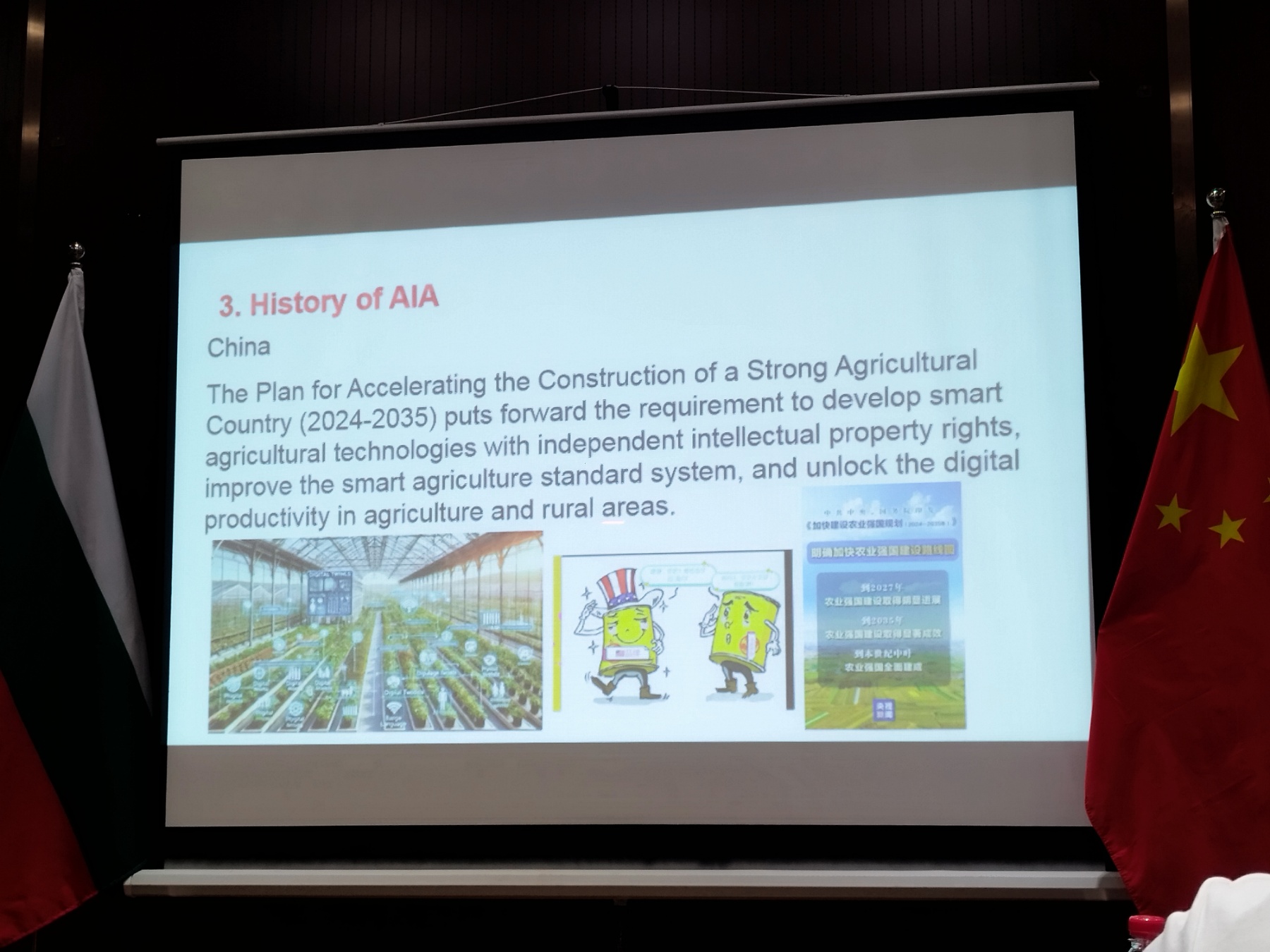
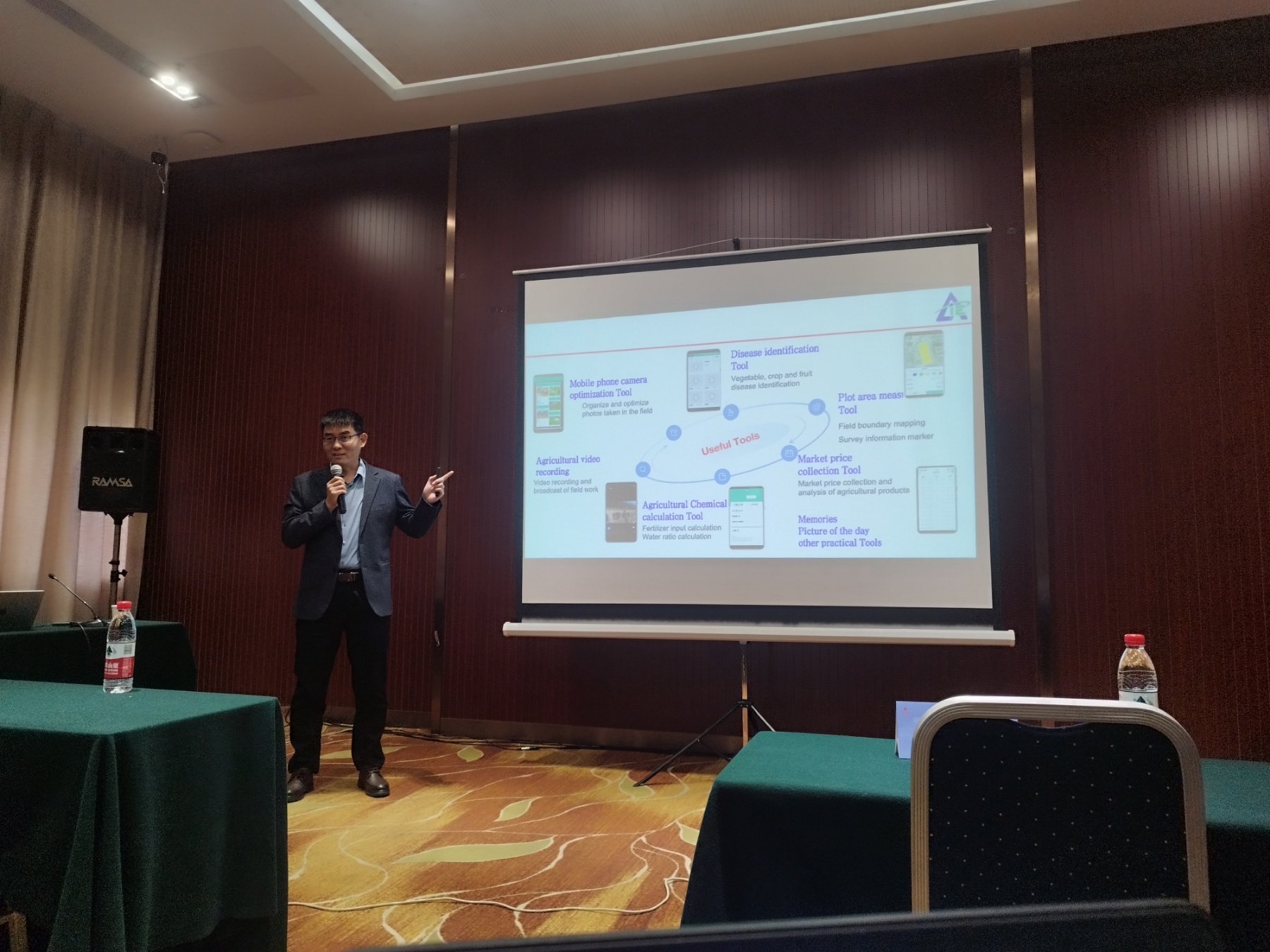
Seminar participants also had the opportunity to learn about key aspects of the development of artificial intelligence (AI) and its application in agriculture. Dr. Li Ming from the Research Center of Information Technology, Beijing Academy of Agriculture and Forestry Sciences, presented the historical evolution of artificial intelligence in agriculture, its current state, and the vision for its future. Dr. Li noted that in China, artificial intelligence was first incorporated into the top-level national strategic vision for science and technology between 2015 and 2017. Subsequently, the AI Plus initiative was launched during the 2023-2024 period, framing AI not merely as a single track, but as a national action encompassing all economic fields. He analyzed the development of artificial intelligence in agriculture across major global players, including the United States, the European Union, and China. The presentation highlighted that China’s 14th Five-Year Plan (2021-2025) focuses on rural revitalization, with digitalization serving as a key component. Meanwhile, China’s National Smart Agriculture Action Plan for (2024-2028) proposes to accelerate the application of AI in key agricultural sectors. Dr. Li also presented examples of AI models being used in areas such as the monitoring and prediction of plant diseases, microclimate regulation, and more.
During a lecture on innovative agricultural technologies in China, Dr. Zhai Changyuan from the China National Engineering Research Center of Intelligent Equipment for Agriculture noted that agriculture has undergone three revolutions, the latest of which is digital agriculture. According to him, the Chinese agricultural sector still faces a number of challenges regarding labor availability, efficient resource utilization, and mechanization. He outlined steps for implementing smart agriculture and focused on core smart technologies, including those for agricultural data collection, decision-making, intelligent equipment, and information services, among which autonomous machinery for crop cultivation and livestock farming. An intelligent platform for providing advisory and information services to farmers was also presented.
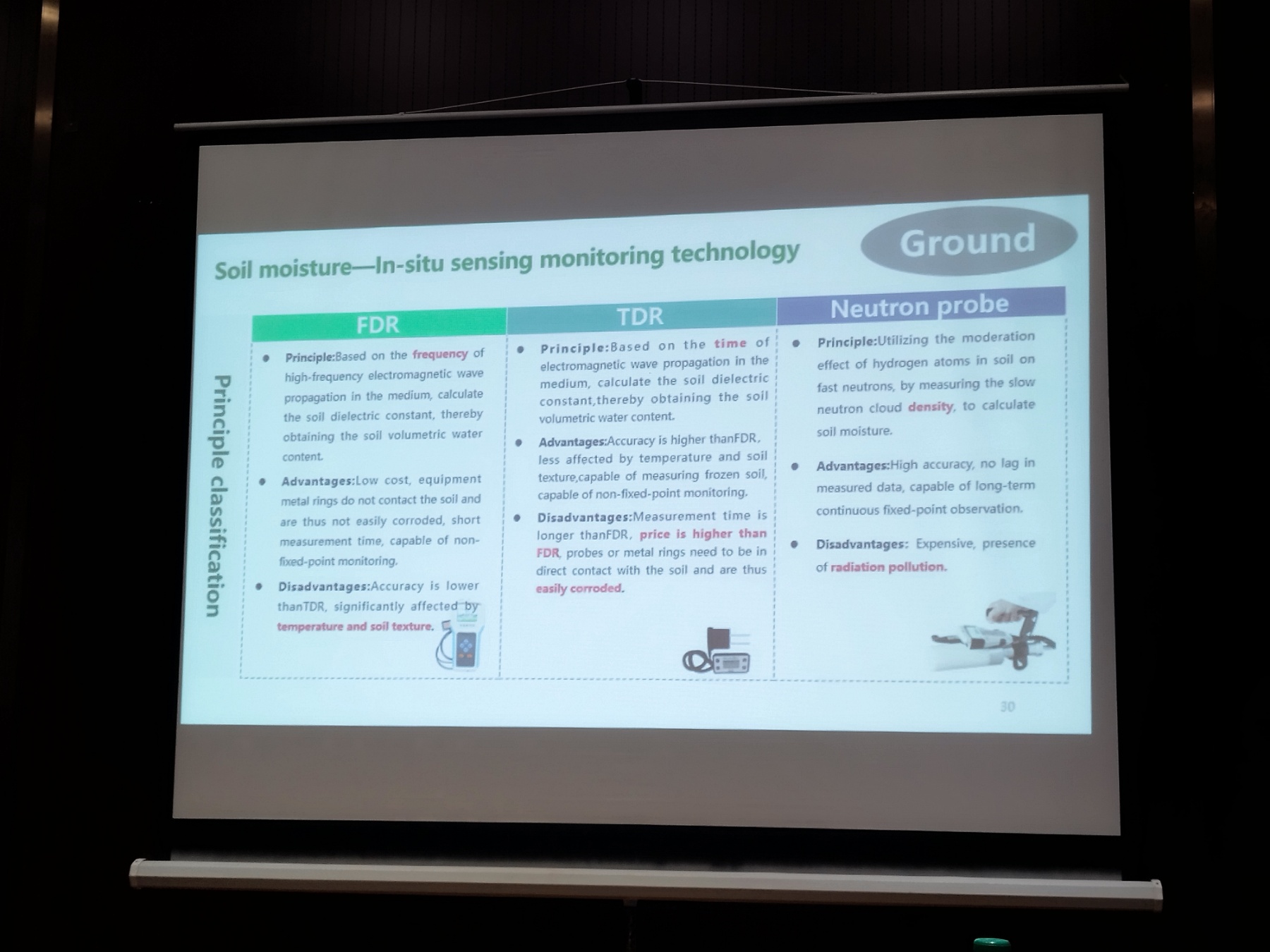
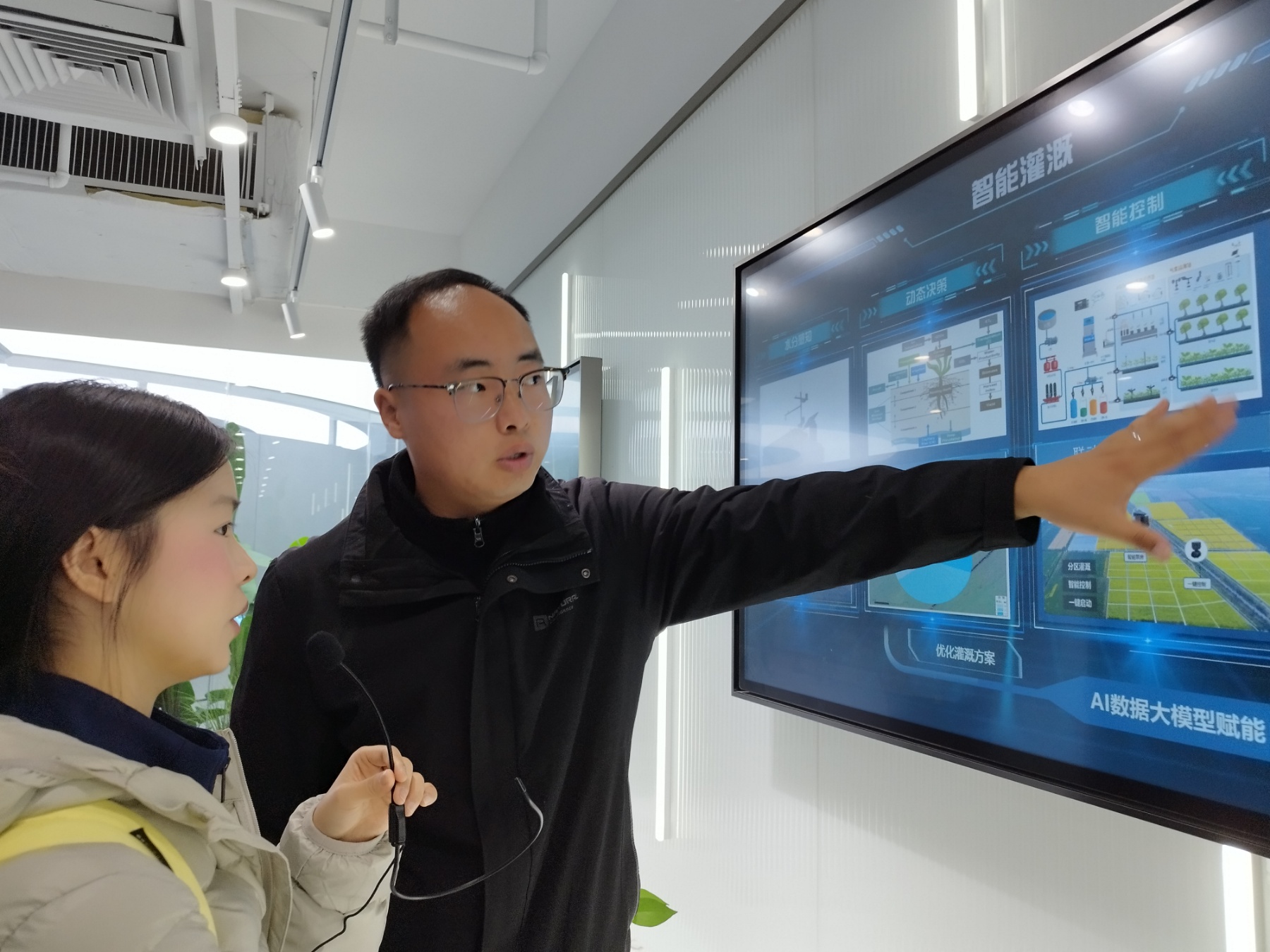
The seminar further enabled participants to learn about China’s policies on the environment and climate change, as well as to study smart irrigation technologies. Dr. Shi Kaili, Senior Agronomist at the National Engineering Research Center for Intelligent Agricultural Equipment, delivered a lecture on smart irrigation. She discussed challenges related to water resources and presented technological solutions for soil moisture monitoring, smart irrigation, and the application of AI in irrigation. Prof. Guan Kongwen from the Institute for International Studies/Centre for Benelux Studies at Beihang University presented environmental and climate challenges, along with the policies deployed by China in response to these challenges. He also outlined opportunities for cooperation between the EU and China in the area of green policies and products.
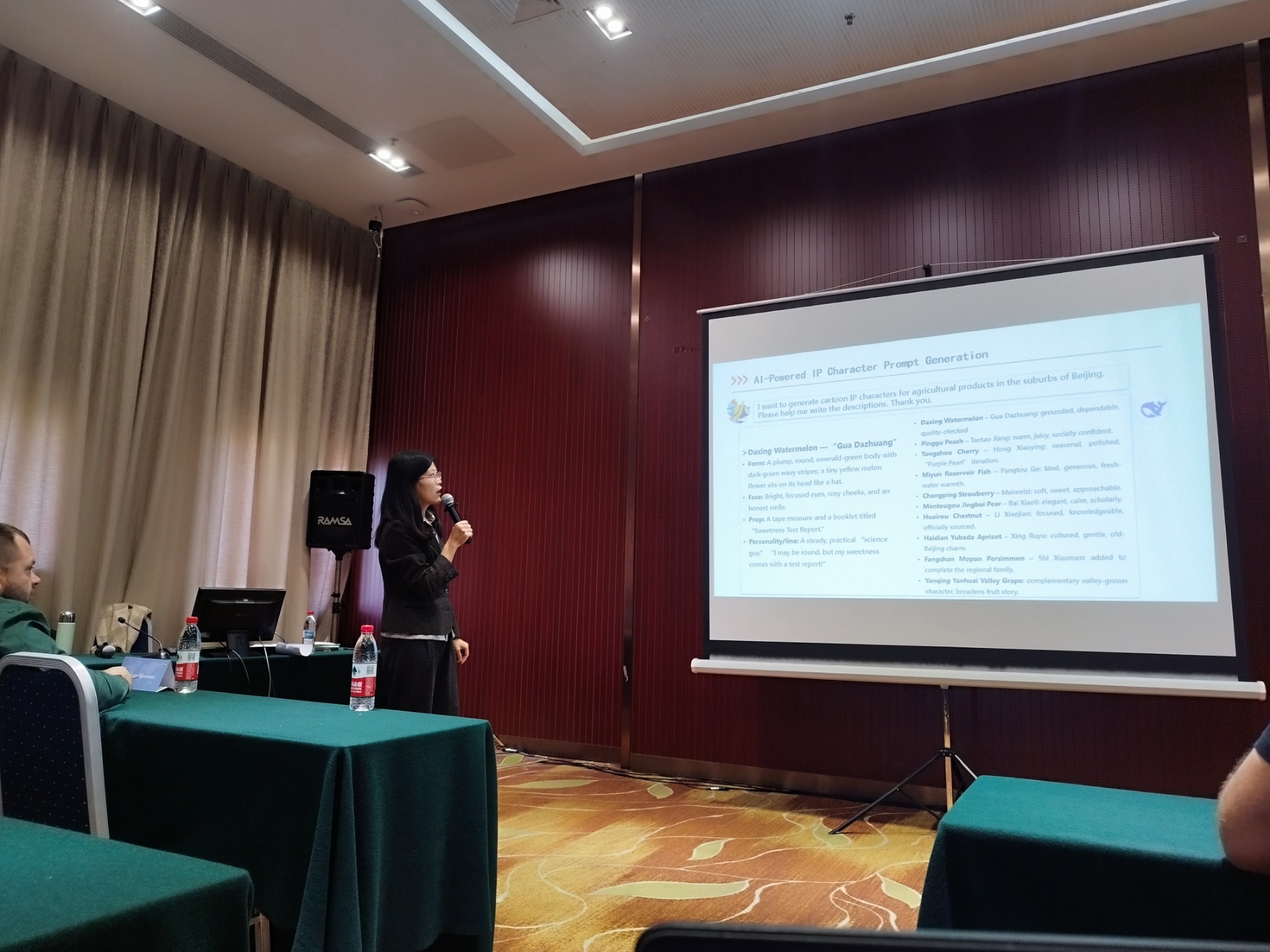
Another lecture, which was focused on e-commerce and its potential benefits for agricultural producers, noted that agricultural online retail sales in China exceeded 780 billion yuan in 2025, representing a year-on-year growth of 9.9%. The presentation also highlighted how artificial intelligence can support the development of marketing strategies through the use of imagery, short videos and live streaming.
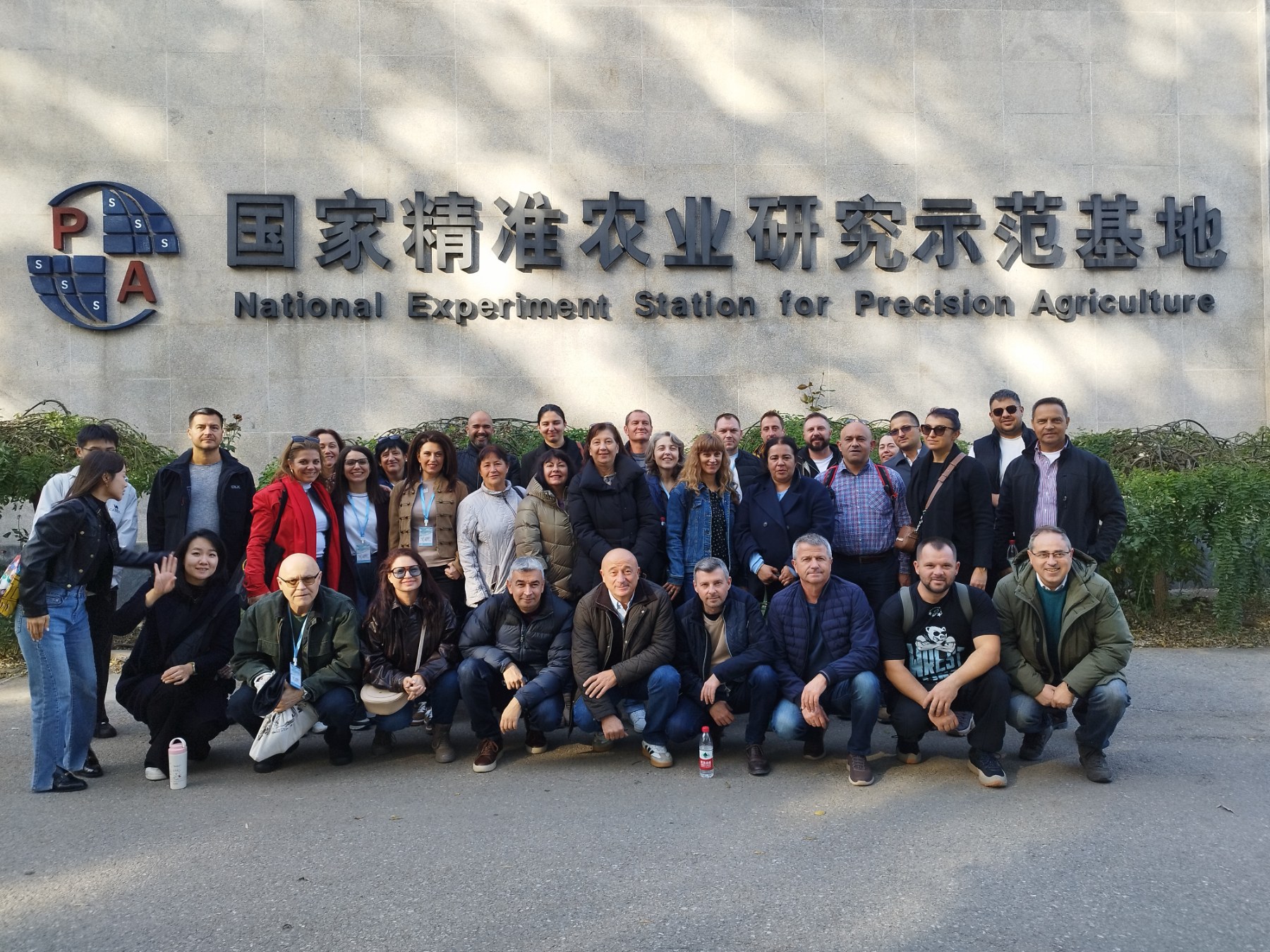
On October 30, 2026, participants in the smart agriculture seminar visited the National Precision Agriculture Demonstration and Research Base, located in the vicinity of Beijing – more specifically, the National Experimental Station for Precision Agriculture. The development of this demonstration and research base is jointly funded by the National Development and Reform Commission and the Beijing Municipal People’s Government. The base is being developed by the Beijing Academy of Agriculture and Forestry Sciences. Spanning an area of over 150 hectares, the facility focuses on high-tech innovations in agriculture.
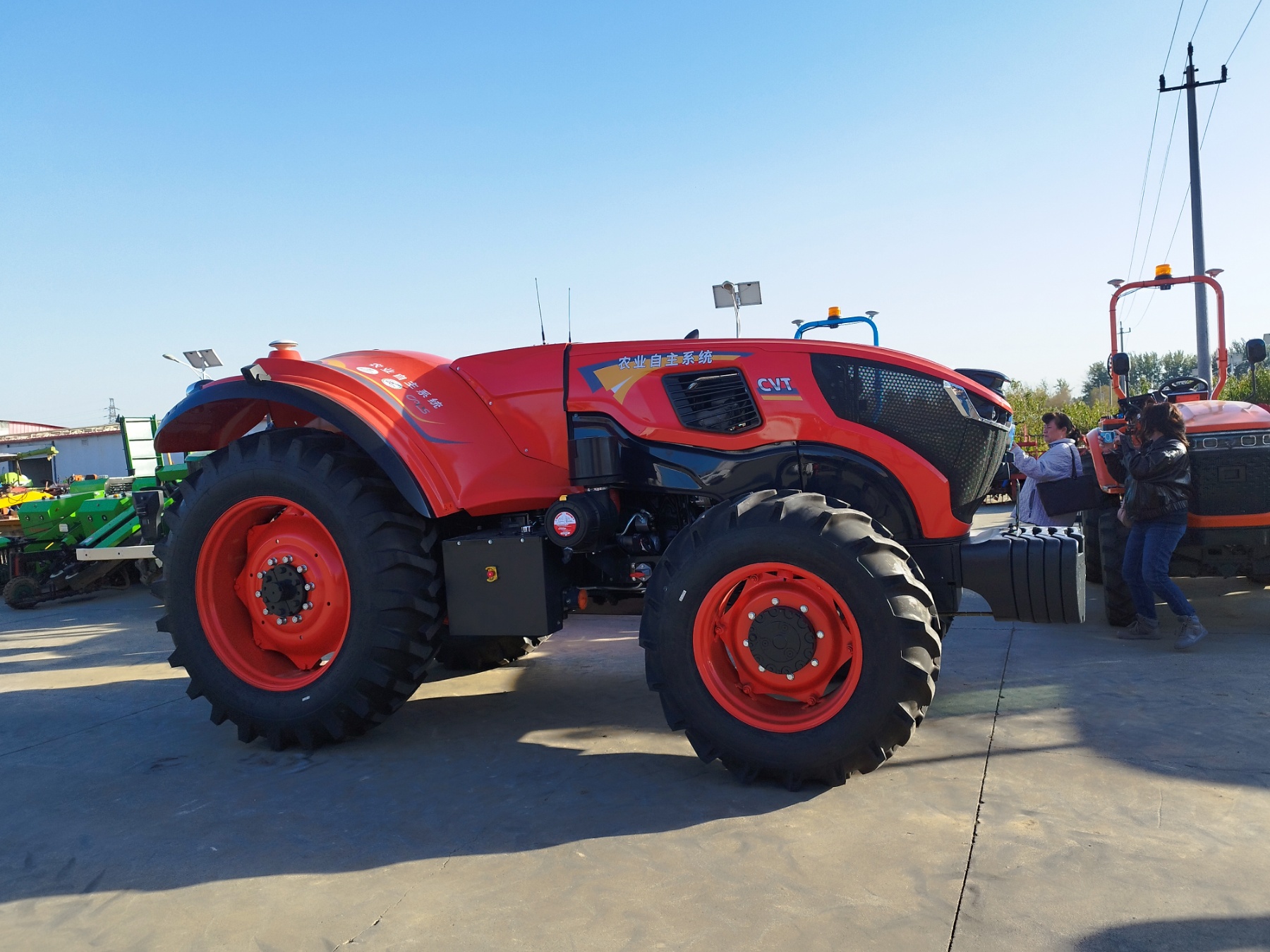
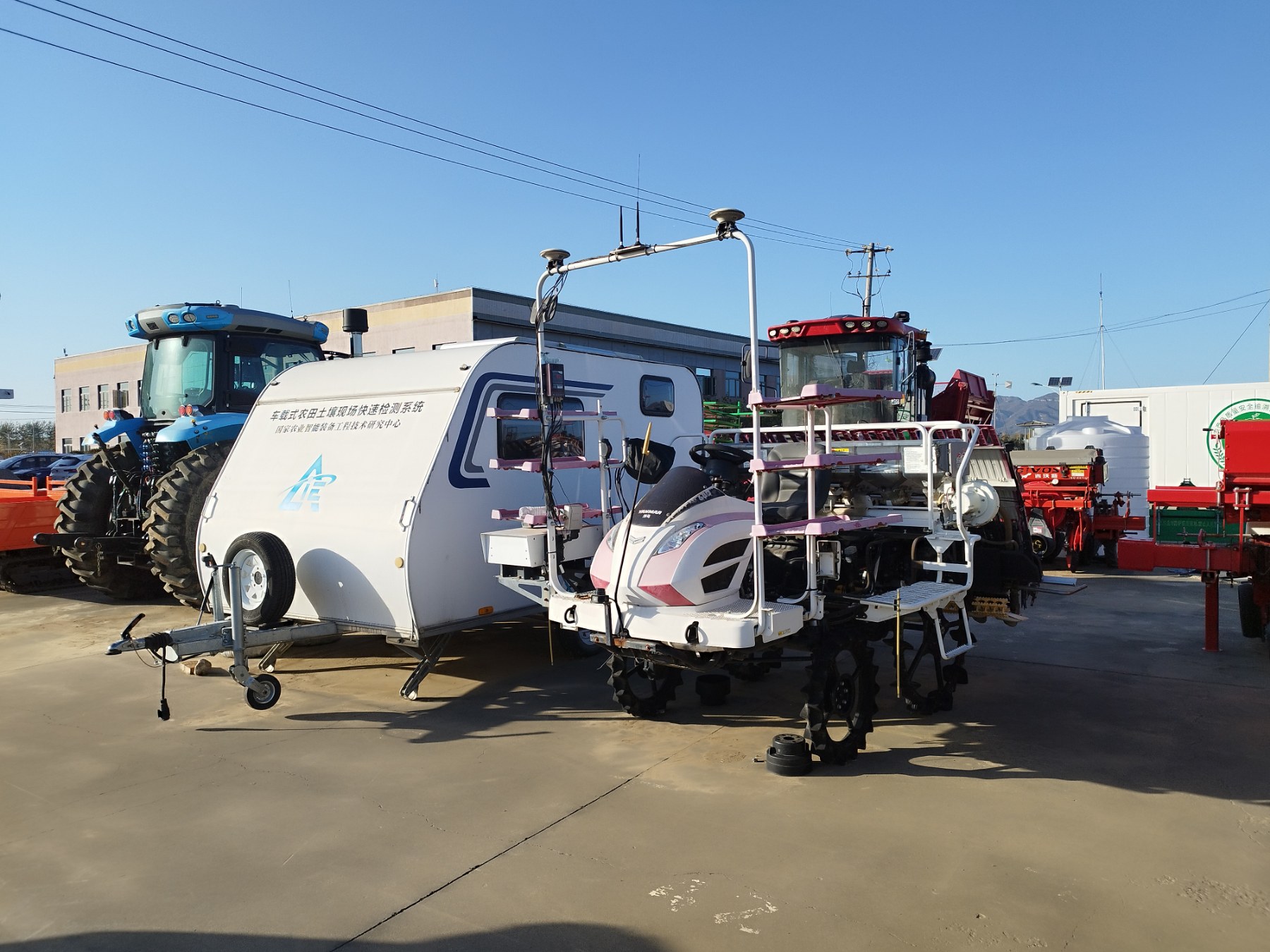
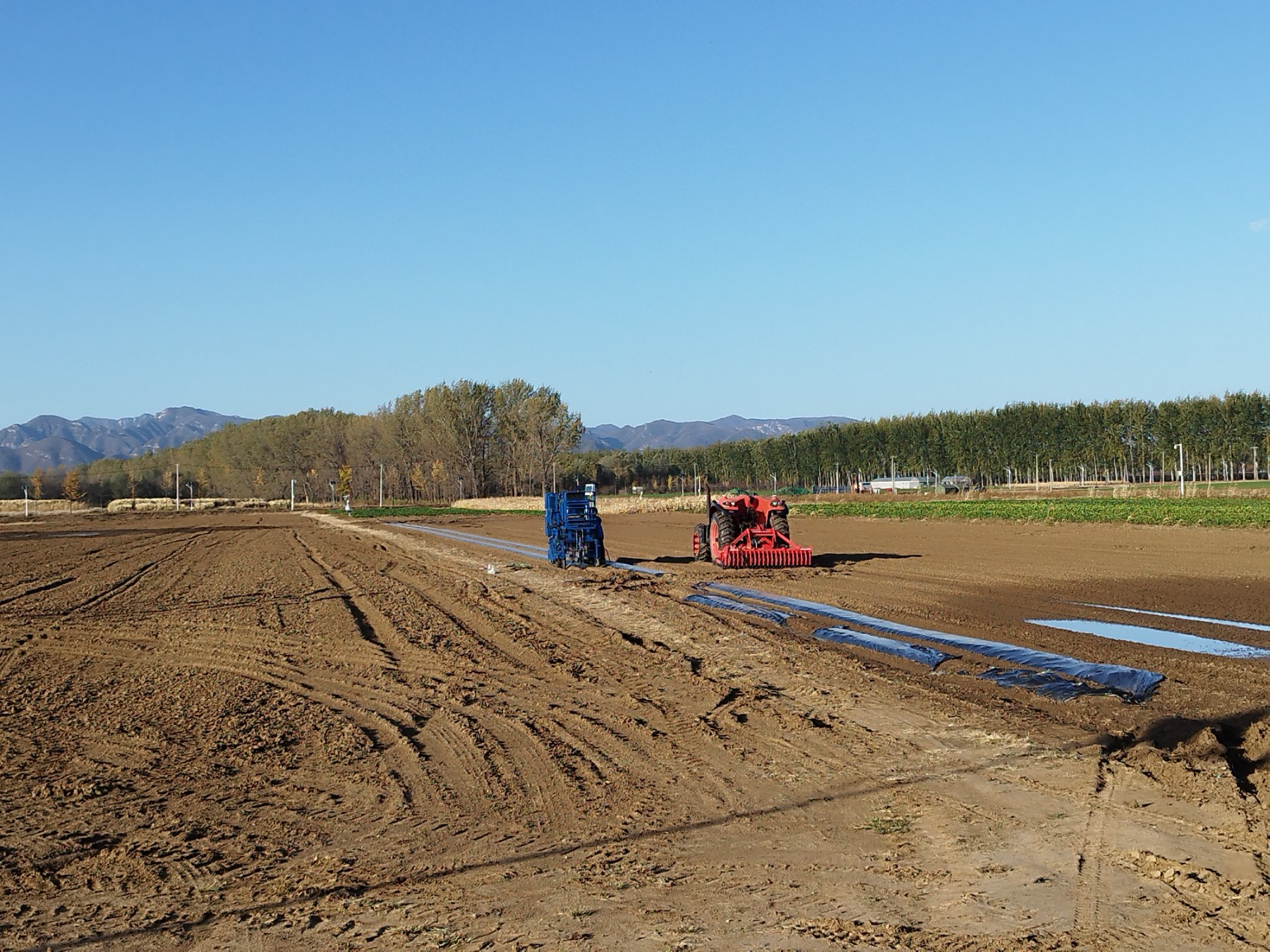
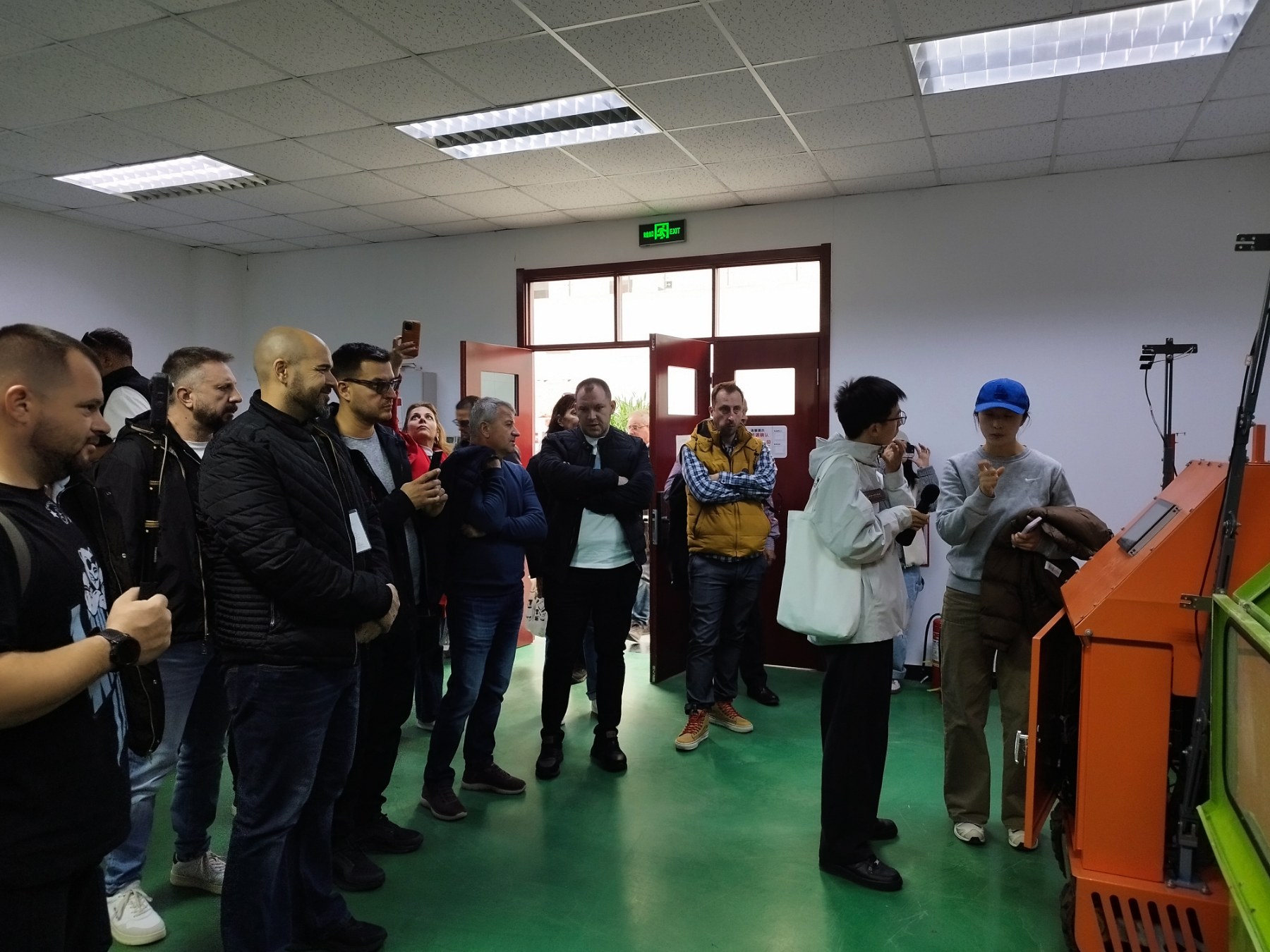
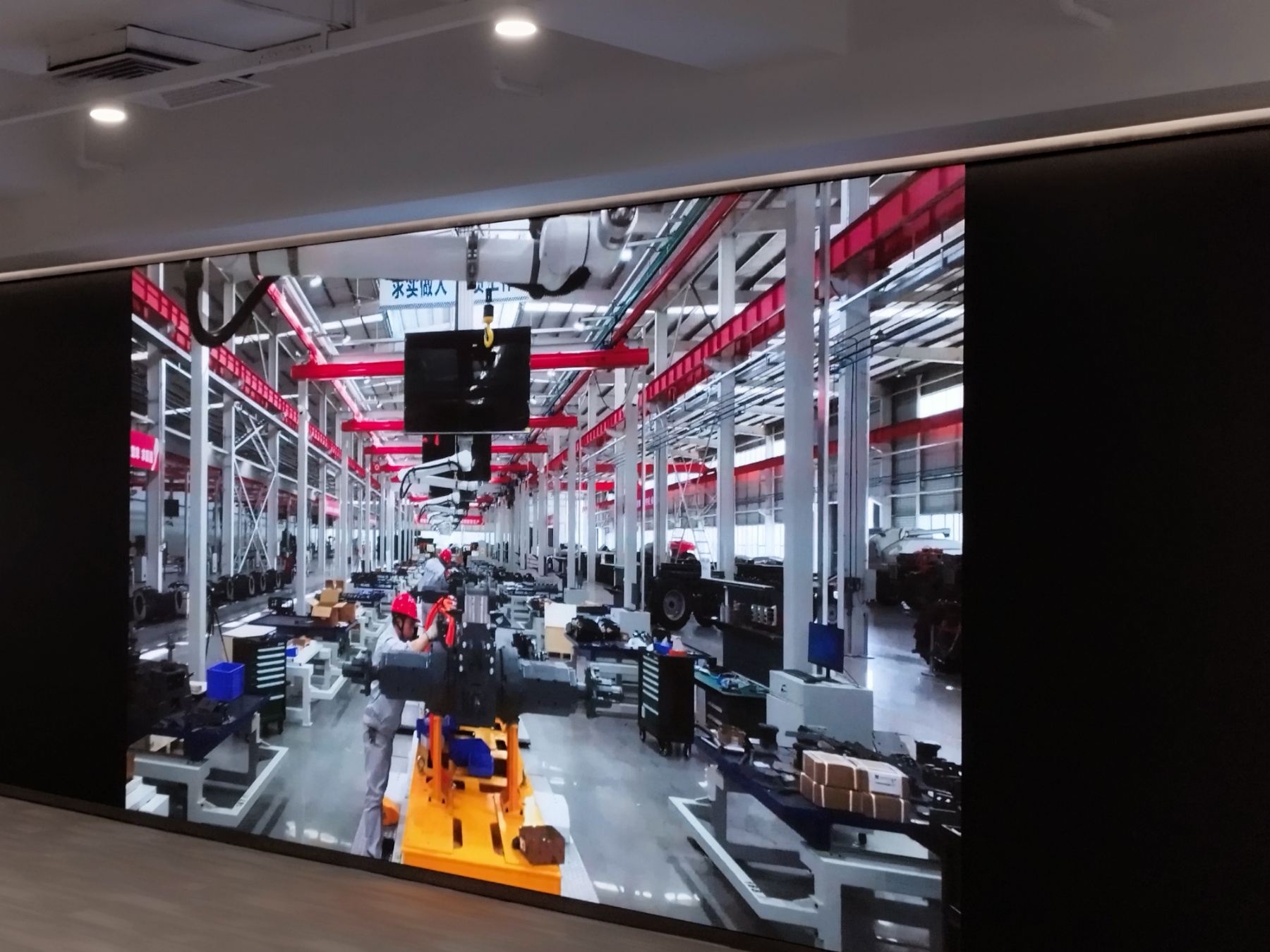
During the visit, the seminar participants toured fruit and vegetable cultivation areas. They learned about the level of automation applied to agricultural operations at the farm, which functions autonomously. The participants examined a variety of smart devices, including autonomous agricultural machinery, as well as specialized equipment and apparatus designed for various farming tasks.
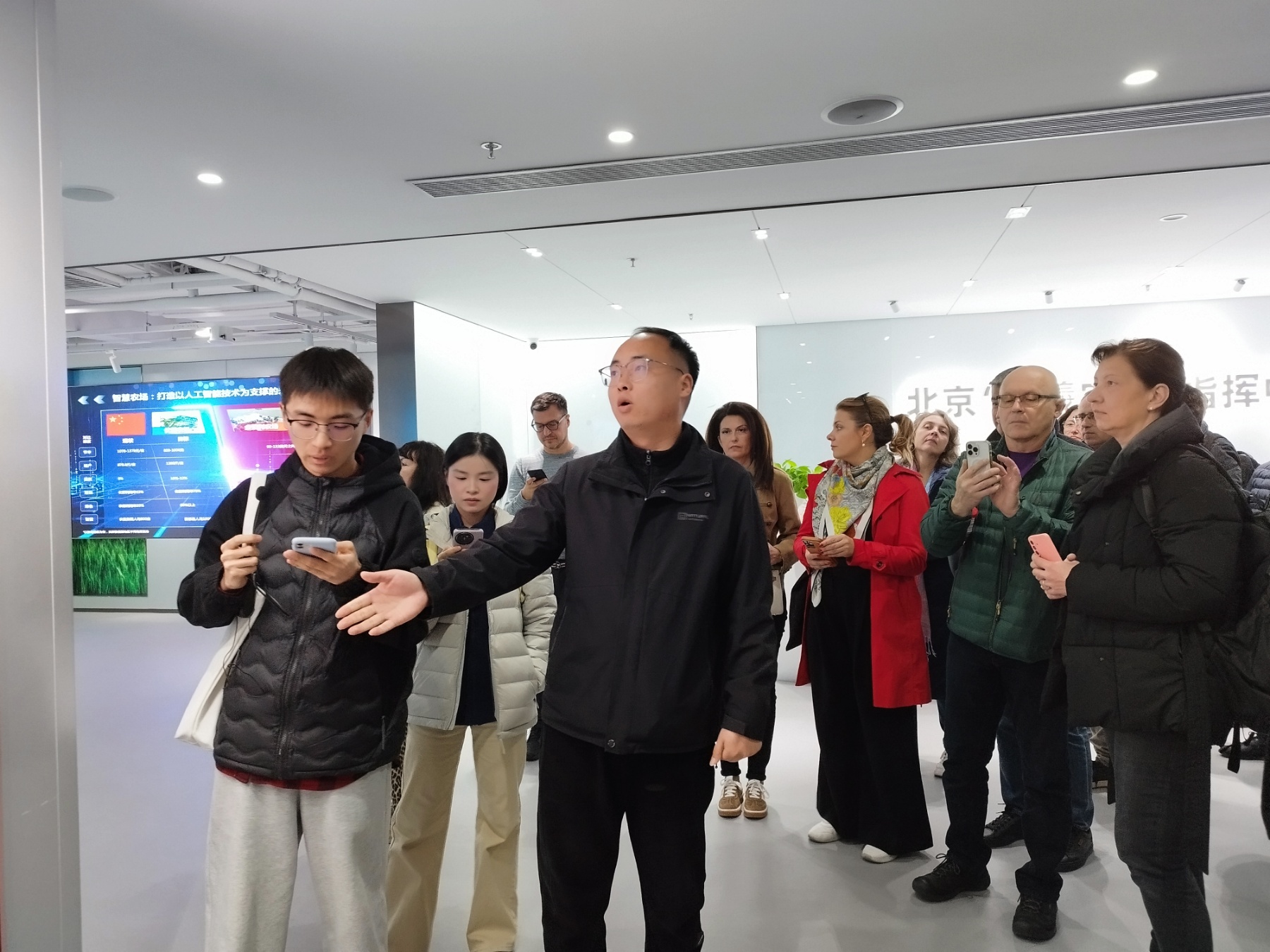
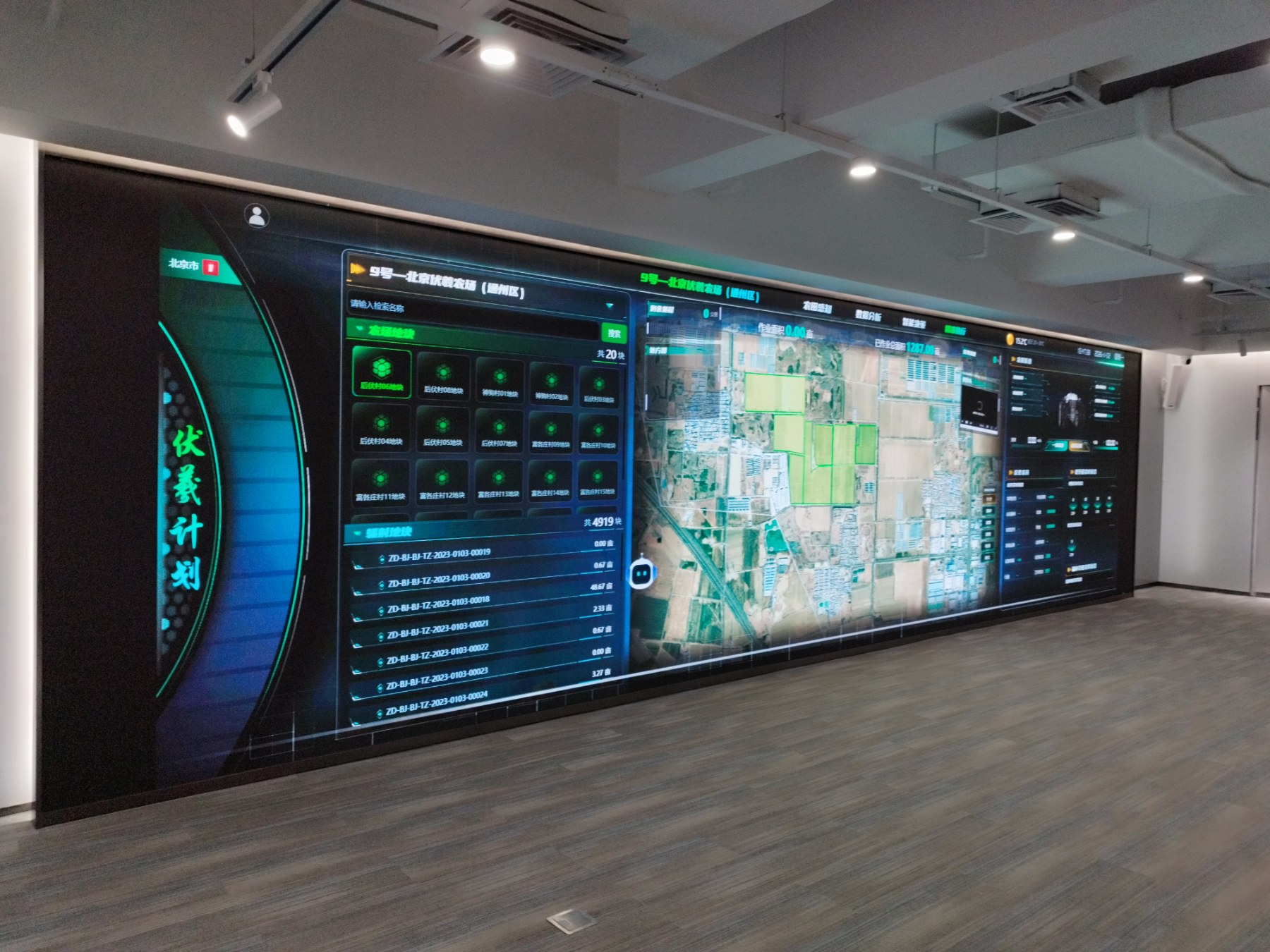
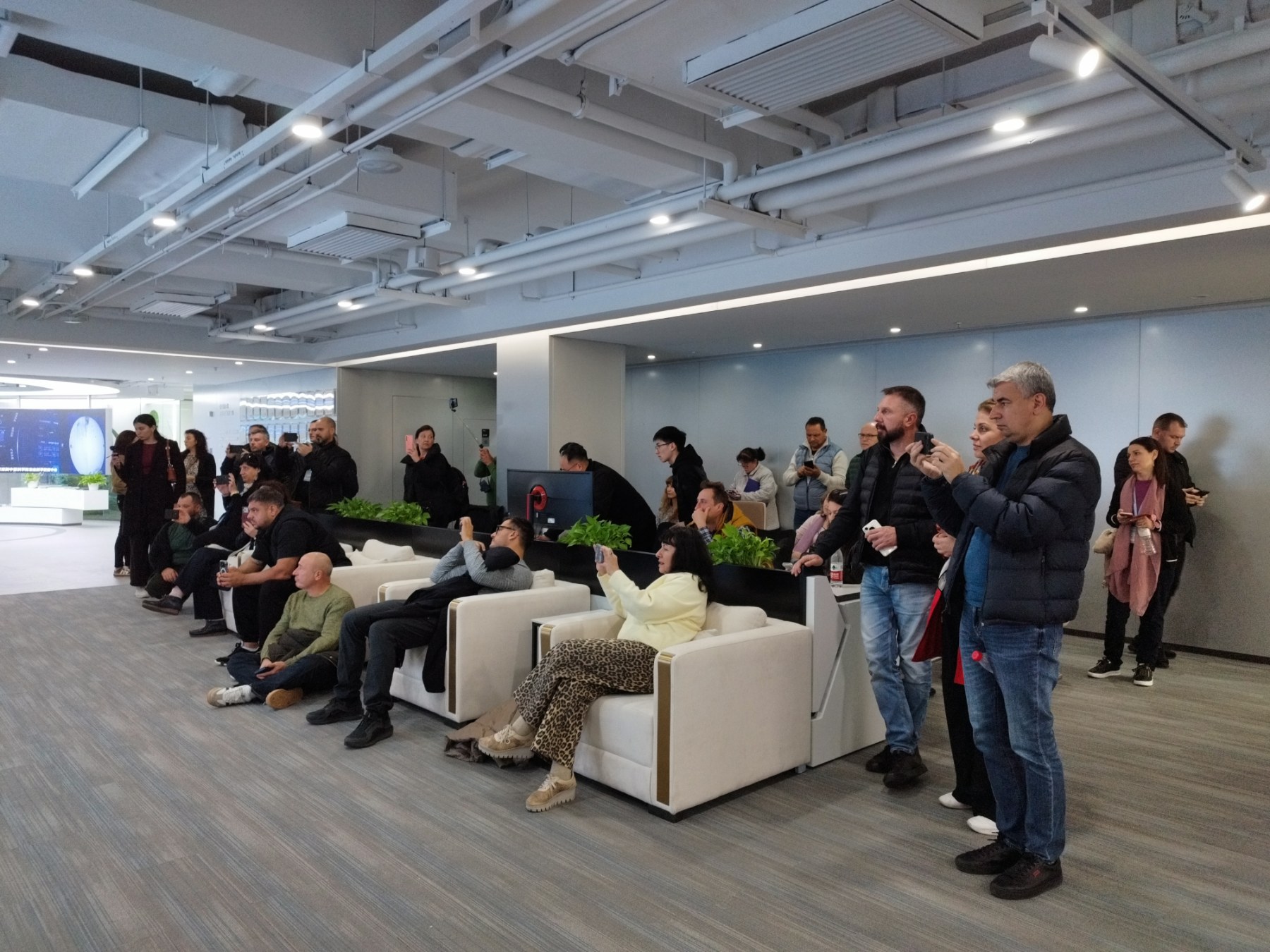
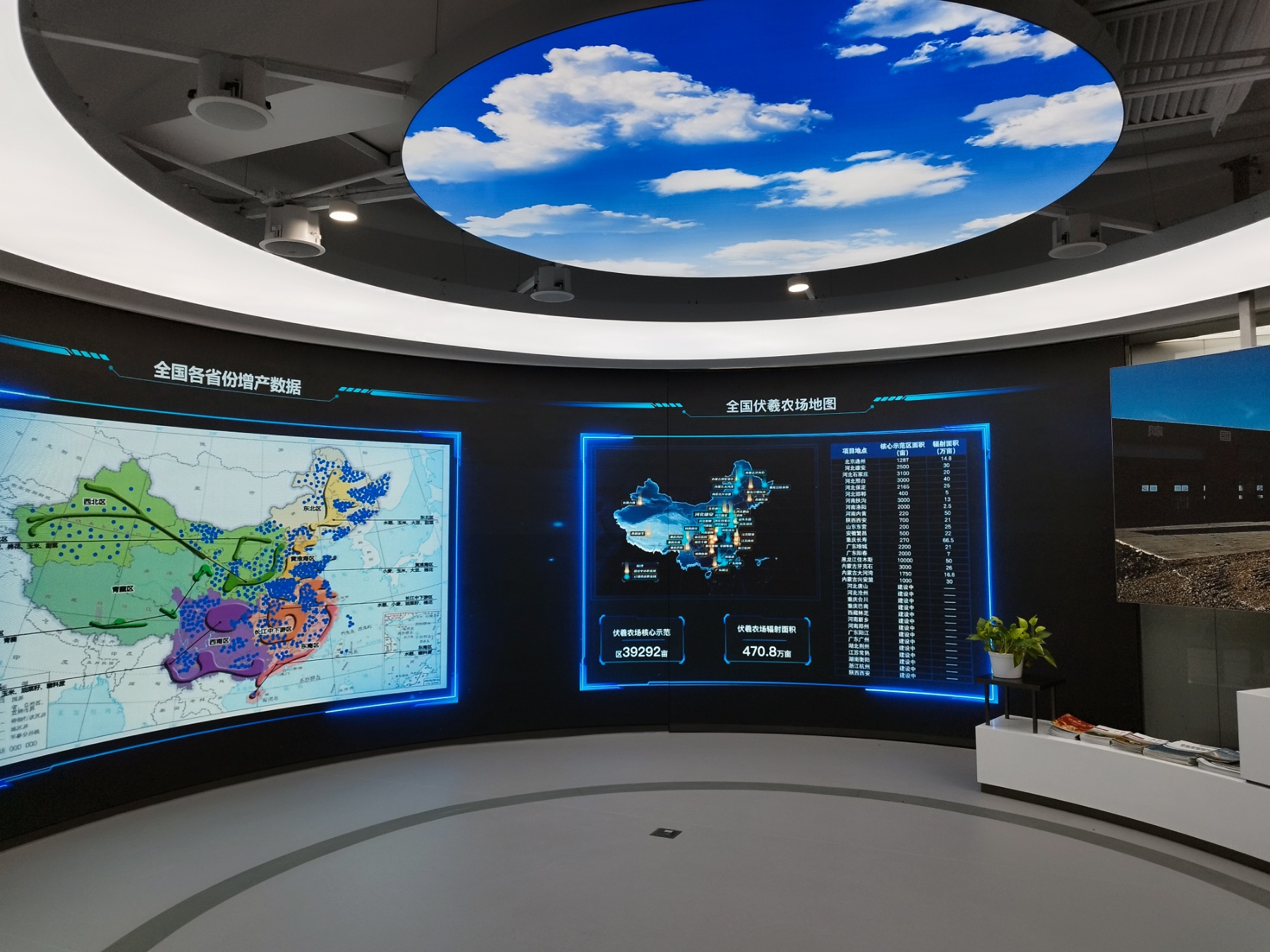
On November 2, the seminar participants also visited an exhibition area about the Fuxi Farm project, which was developed jointly by Beijing Yunhe Huinong Agricultural Technology Co., Ltd. and the Engineering Laboratory for Intelligent Agricultural Machinery and Equipment, Chinese Academy of Sciences. The participants acquainted themselves with the project, which aims to establish a full-chain, modern farming system that integrates smart data collection with decision-making and execution.
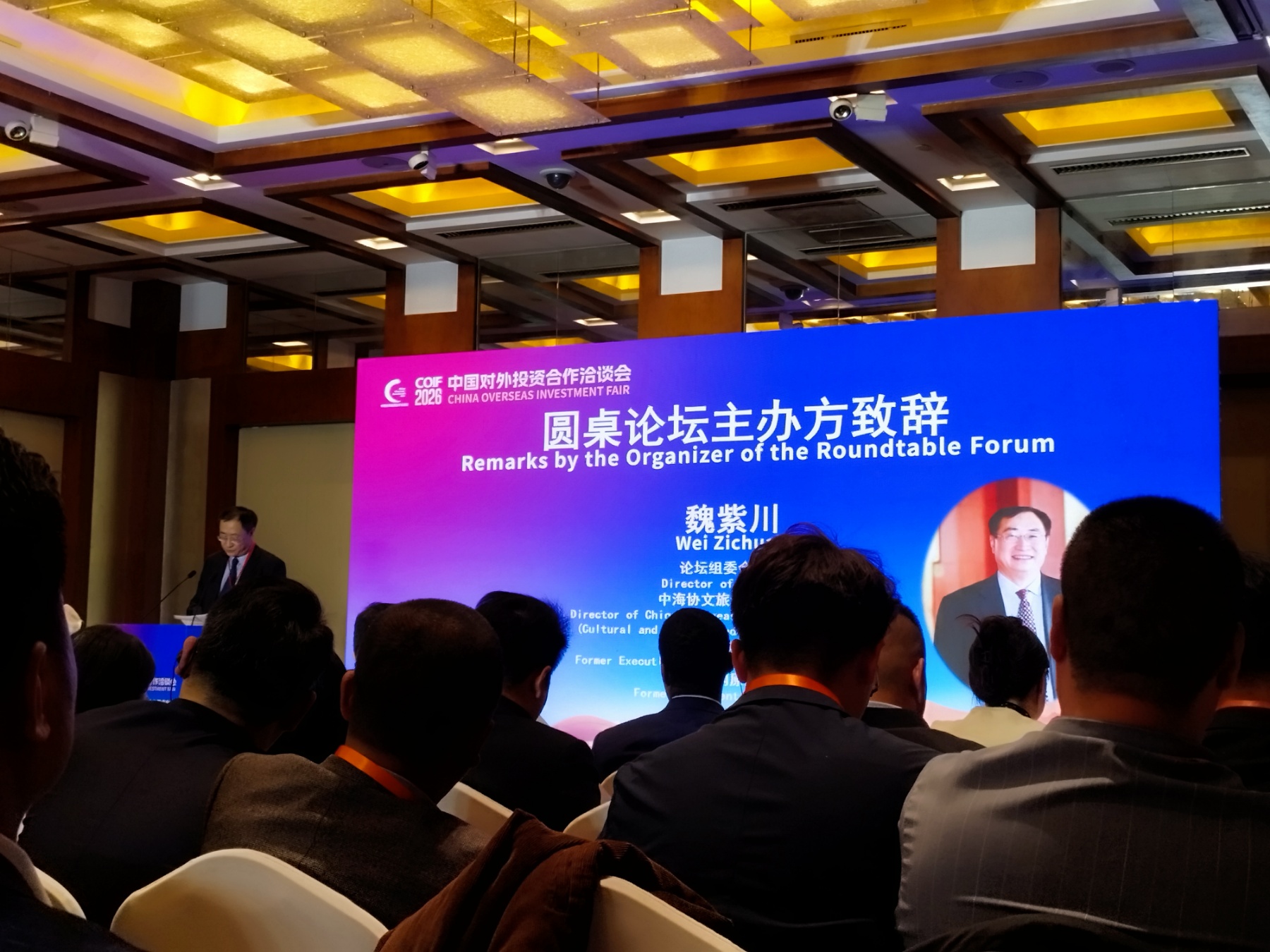
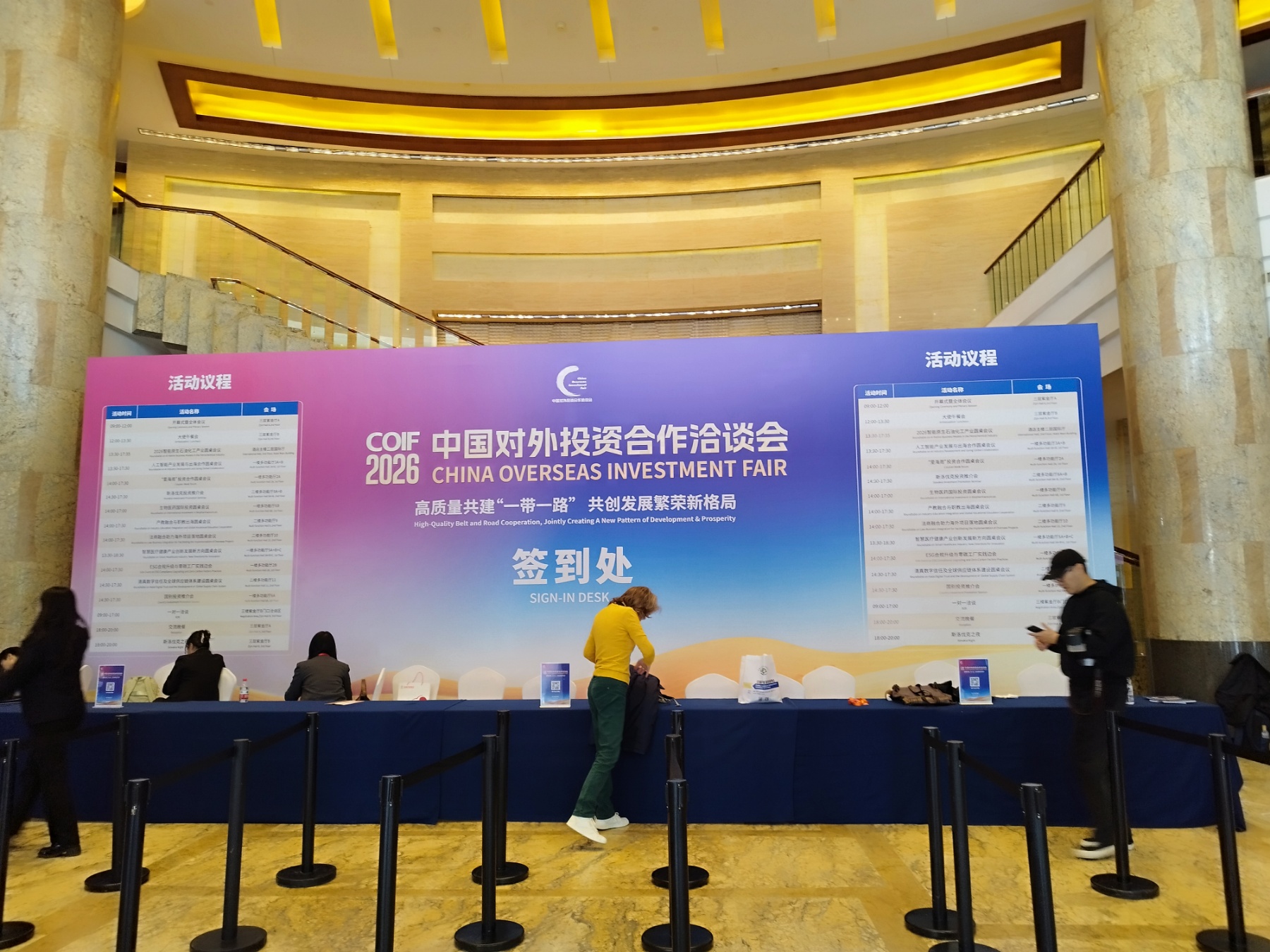
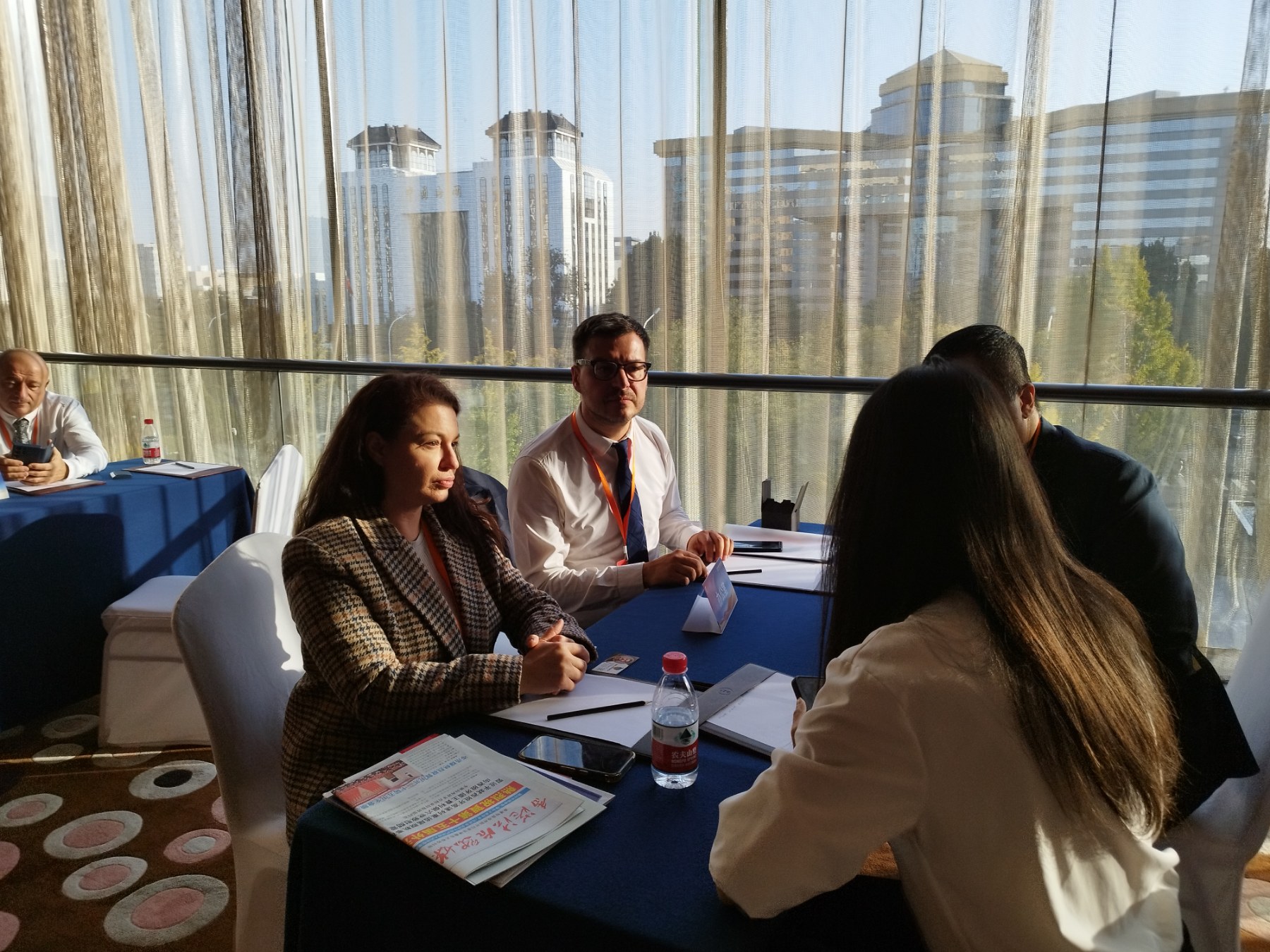
On November 3, the Bulgarian delegation for the seminar took part in one of the sessions of the 15th China Overseas Investment Fair, as well as in bilateral meetings with Chinese companies.